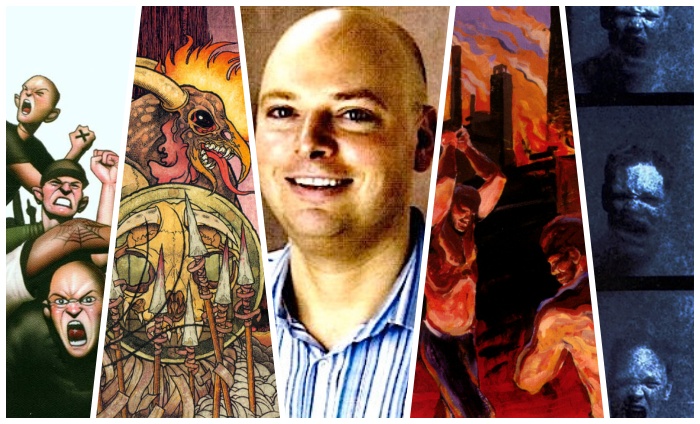
Every music genre seems to have its own record label executive villain, and in hardcore, we had Tony Brummel.
At least, that was the story depending on who you talked to.
Even in my earliest memories of Victory Records, I remember hearing stories about Brummel through the hardcore gossip mill. As I started playing in bands, touring, and connecting with more people in the scene, those stories only multiplied. Depending on who was telling it, Tony was a bully, a guy who scammed bands, or a solid but tough businessman who knew exactly what he was doing.
The reality was more complicated.
Brummel started Victory Records in Chicago in 1989 with just $800, but he wasn't entering hardcore as an outsider. He sang in the hardcore band Even Score and started the label while studying to become a history teacher in college and waiting tables at night. Brummel used money from his waiting job and the sale of records from his own collection to finance the fledgling label.
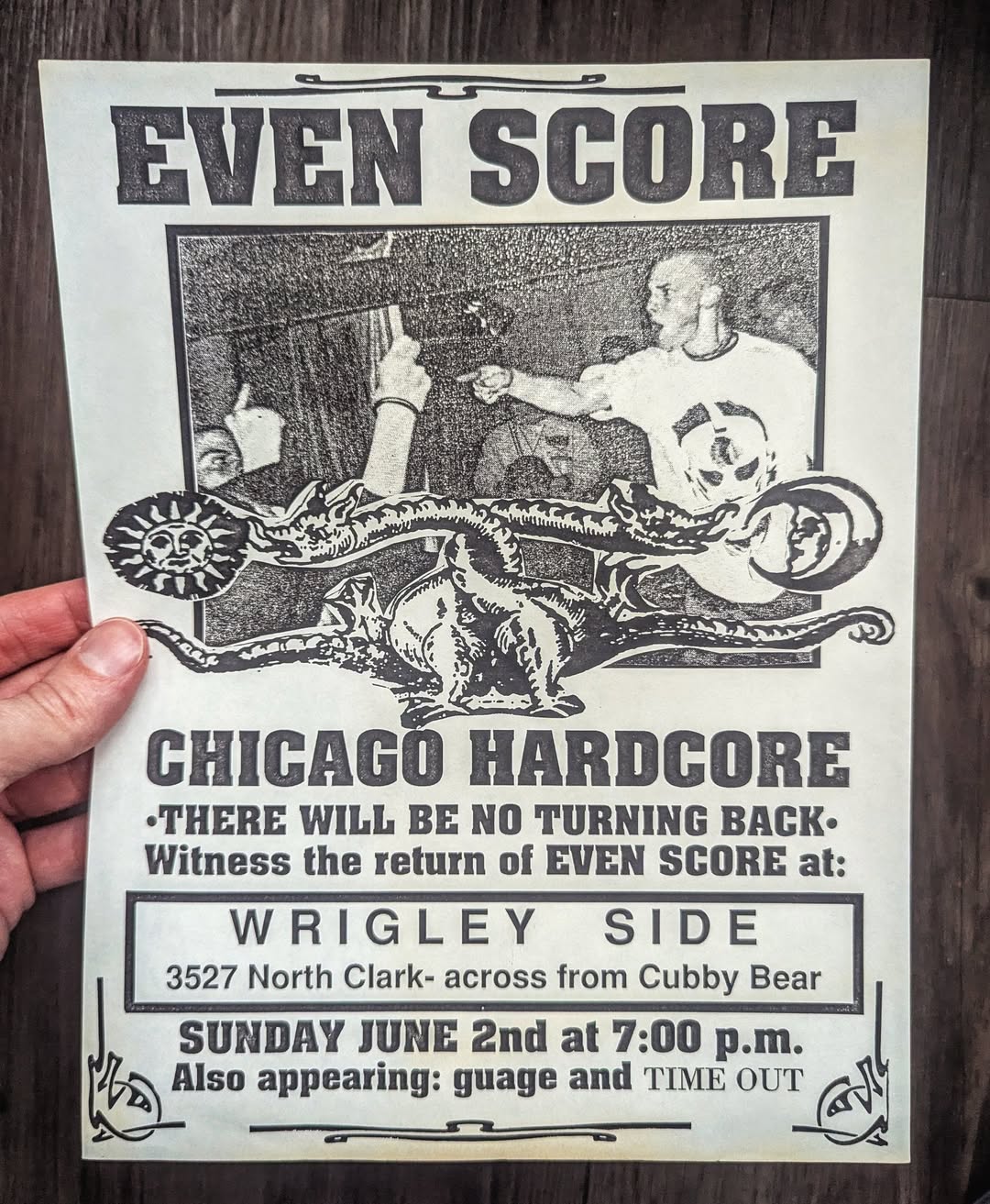
Victory initially relied on the same DIY infrastructure that kept much of hardcore moving at the time: 7-inches, mail order, fanzine ads, college radio, independent record stores, and bands spreading the word themselves. Brummel later said he studied the histories of independent labels such as Sun, Motown, and Stax to understand how they built their businesses.
Long before Victory became a hardcore powerhouse, Jason M. Peterson, guitarist for Arizona straight edge band Wind of Change and now a renowned photographer, remembers getting an early glimpse of Brummel's involvement in the scene. During a 1989 tour, Wind of Change's Chicago gig fell through in classic hardcore fashion, so they made alternate plans.
“The Chicago show got messed up and was canceled. We ended up playing a small house party in the suburbs at Tony Victory [Brummel]'s parents' house,” Peterson told me in a No Echo interview. “It was like 20 people.”
A few years later, things started getting much bigger.
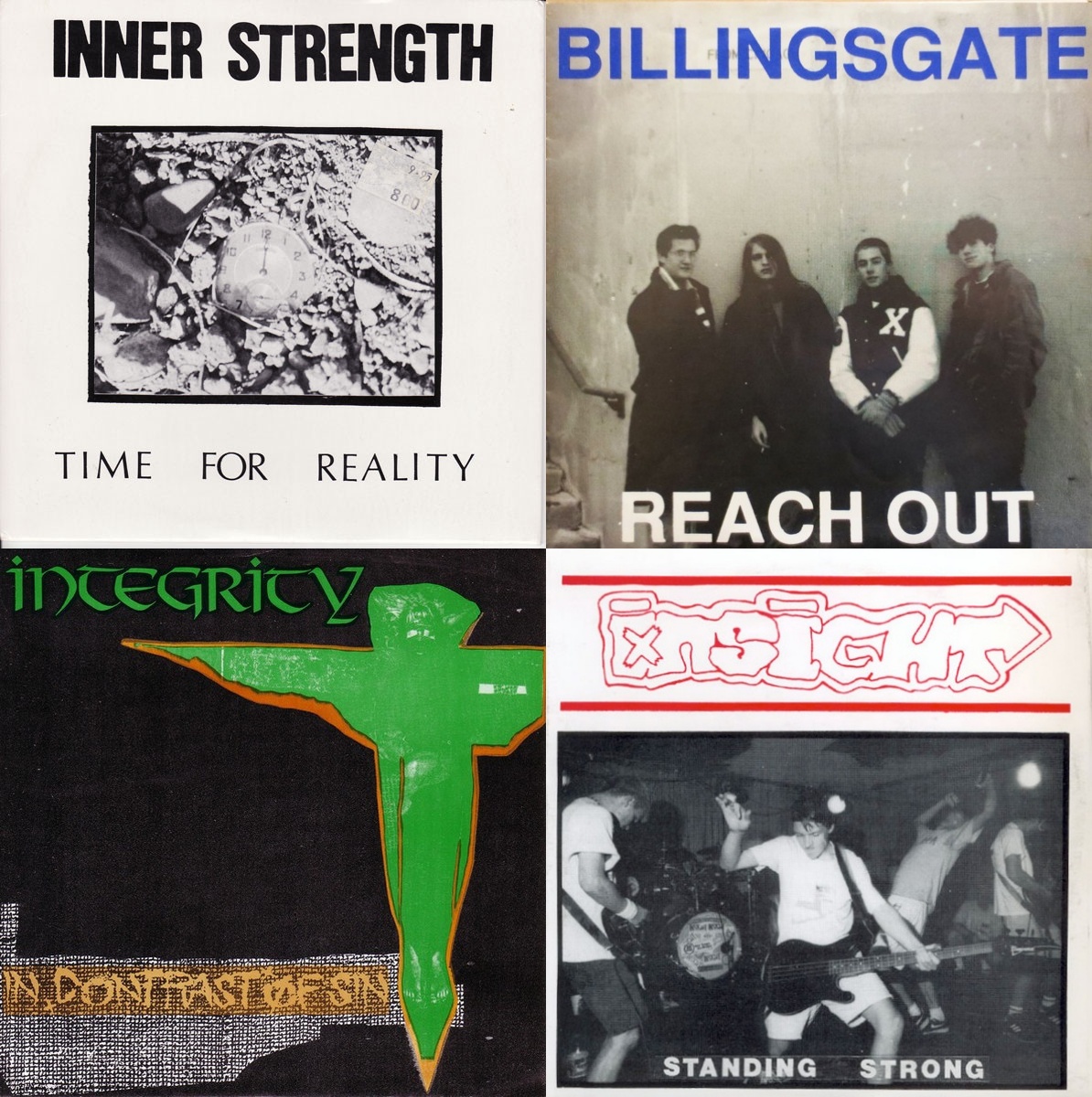
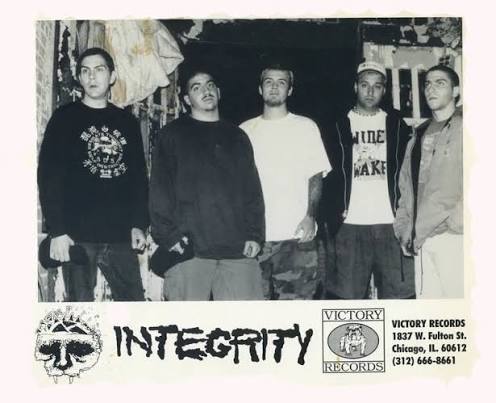
Victory's first four releases came from Inner Strength, Billingsgate, Integrity, and Insight between 1989 and 1990. The label was still a tiny operation, but one of those names would become particularly important to its identity: Integrity.
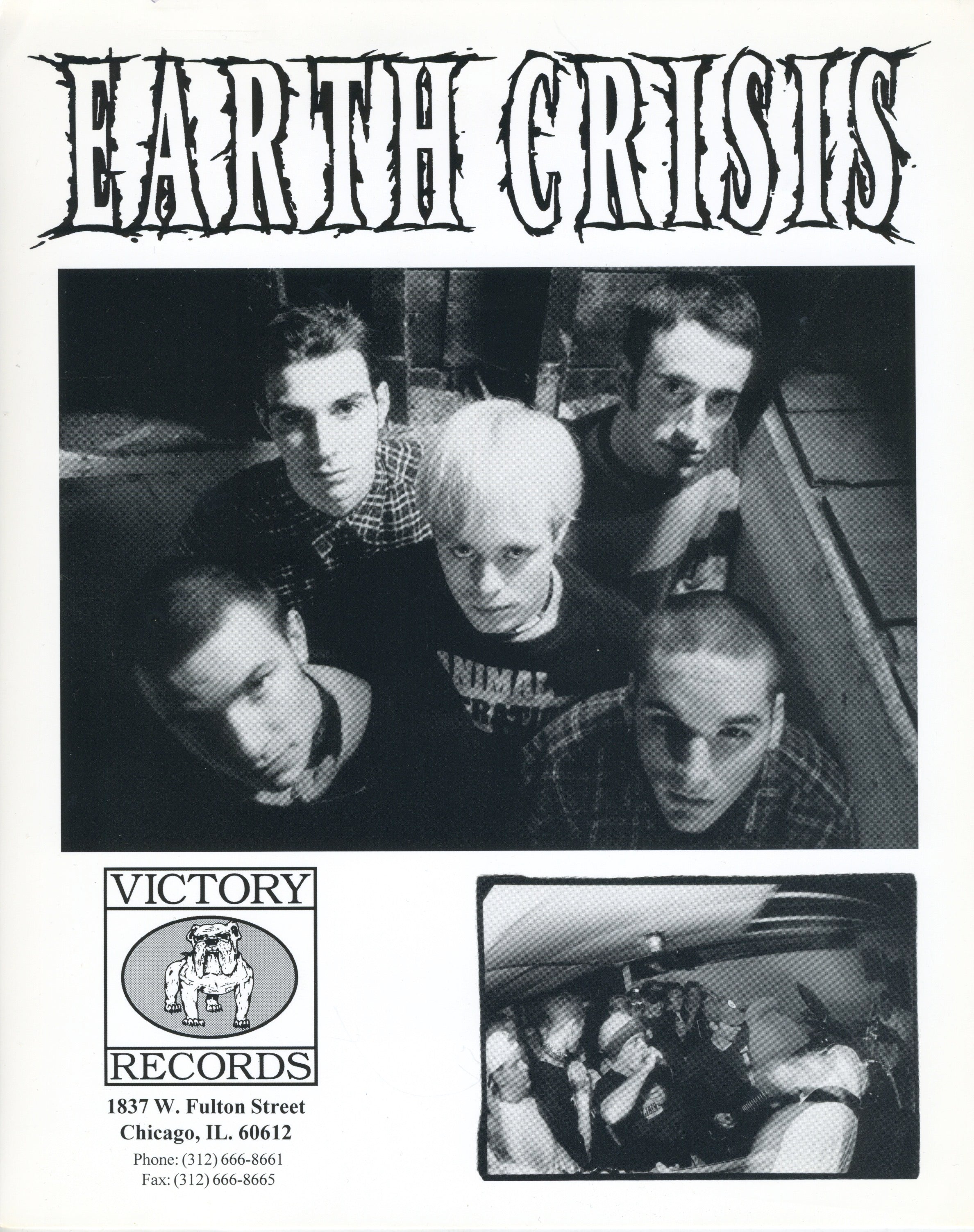
Over the next few years, the catalog kept growing, but for me, the dividing line is clear. Victory Records' golden era began in 1993 with Earth Crisis' Firestorm EP.
Straight edge bands had been around for well over a decade by the time Firestorm came out, but Earth Crisis was the first time I remember encountering a band that spoke so forcefully about animal rights and the idea that extreme conditions called for extreme activism. The “street by street, block by block” mantra in the EP's title track became a calling card throughout the straight edge community around the globe. Everything about the band felt confrontational. This wasn't the positive-outlook vibe you got from Youth of Today or 7Seconds.
Earth Crisis' intense songwriting approach made some record labels nervous.
When I interviewed guitarist Scott Crouse in 2018, he told me several companies they met with about working together were scared off by the band's lyrical content. “We would get letters back saying they liked the demo, but they were afraid of the backlash they'd get from the lyrics,” Crouse recalled.
“I think people assume Earth Crisis sat down and planned to be controversial, but that's not at all how it was. Karl just wrote lyrics that were artistic expressions of rage, and he put as much time and effort into them as we did the music.”
But the potential commercial retail push back didn't seem to bother Tony Brummel.
Justin “Guav” Gauvin, who had released Earth Crisis' All Out War EP through Conviction Records and was essentially acting as the band's unofficial manager, had already been talking them up to Brummel. Then a tiny show in Detroit helped push things along.
Earth Crisis had piled into cars with Chokehold and Cinderblock to play a coffeehouse in front of about 25 people. One of those people was Chad Rapper (later of Expired Youth, Decline, and xGatekeeperx), a friend of Brummel's from Chicago. After seeing Earth Crisis, Rapper returned home and told Brummel he needed to check them out. Brummel was already familiar with the band through Guav, but according to Crouse, the recommendation made him pay closer attention. Soon afterward, he reached back out about releasing a record.

“It was sort of just being in the right place at the right time,” Crouse told Strife guitarist Andrew Kline (more on them later) in a 2025 feature on the making of Firestorm. “We were making a little bit of waves playing, and we were always bringing a carload of guys from Syracuse who were busting out in the pit with fucking masks and acting stupid and crazy, so we were creating a little bit of hype. Everywhere we went, people were talking, whether it was good or bad.”
Then Crouse added a thought that feels almost perfectly on-the-nose for Victory Records: “Tony loved controversy, so I think that was one of the reasons he wanted Earth Crisis on the label.”
We are talking about hardcore, so nobody in Earth Crisis expected Firestorm to become as influential as it did. Crouse told Kline that when the EP came out, the band was mostly excited to finally have a record they could buy at Knuckleheads, the Syracuse record store where they had spent years picking up hardcore 7-inches.
Not long afterward, while playing the Wetlands in New York City, the Earth Crisis guys met someone from Caroline Distribution who told them 'Firestorm' was “fucking moving.” When the band asked what that meant, his answer stunned them: “Well, we've shipped 30,000.”
Before long, Earth Crisis was being courted by more metal-focused labels, eventually landing on powerhouse Roadrunner Records for the band's Breed the Killers album in 1998.
As far as Victory, Brummel was just getting started.
After Firestorm, Victory seemed to hit another gear. Over the next few years, the label released records by Snapcase, Strife, Integrity, Bloodlet, Warzone, Deadguy, Guilt, Doughnuts, and others, and that Victory bulldog logo started to mean something to me.
Like the star on the back of Revelation Records releases or the Thrasher-like Earache Records logo, the Victory bulldog became a stamp of approval. I didn't necessarily need to know much about a band beforehand. If I saw that bulldog on the back of a record, chances were I was going to give it a shot. That explains that Baby Gopal record I bought at Bleecker Bob's.

What grabbed me about Victory's roster was how different these bands sounded from each other.
Snapcase's tight, precise, stop-start arrangements reminded me of Prong's magnum opus (at least according to me) Beg to Differ. It was weird, mechanical, and heavy without doing the usual metal thing. That shit immediately clicked with me.
Integrity was something else entirely. They were the first hardcore band I fell in love with that seemed to have an air of mystery around them. Everything about the band had a dark mystique, and vocalist Dwid was a master provocateur, albeit a controversial one.
By the time Strife released 'One Truth,' there were plenty of metallic hardcore bands around, but Strife wrote actual songs. The Los Angeles quintet's arrangements were dynamic, and they had hooky chorus parts without pandering to the lowest common denominator. One Truth sounded like a band coming out of the gate with a fully realized sound and message.
Strife had already released 7-inches through New Age and Indecision Records when interest from larger labels started coming their way. Kline remembers receiving a letter from Metal Blade in 1993, but they ended up going the way of the bulldog.
“Victory was still a new label, but we could tell that Tony had the drive and ambition to see the bigger picture and that they could help take us to another level,” Kline told me in a 2017 interview.
He was right. One Truth arrived in 1994, and Strife would become one of the bands most closely associated with Victory during this period.
And then there was Bloodlet. Like Integrity, they seemed to exist in their own shadowy stylistic lane. Their songs weren't about “unity” or stabbing someone in the back.
No Varsity fonts to be found.
I wasn't alone in thinking they were operating on their own wavelength. In a 2020 No Echo feature, Javier Van Huss, who played in Eighteen Visions at the time, remembered seeing Bloodlet for the first time in 1995 and immediately noticing that they didn't fit in with the other bands on the bill.
“Bloodlet always existed in this weird nether realm—not quite hardcore, not quite metal,” Van Huss wrote. “The darkest, most sinister, yet somehow not evil for evil's sake.”
That weirdness was influential, too. Van Huss recalled that the guys in Eighteen Visions were obsessed with Bloodlet. They filmed their shows, studied the tapes, learned the band's transitions and unrecorded segues, and eventually incorporated some of those ideas into their own music.
That's the kind of roster Victory was assembling. Earth Crisis, Snapcase, Strife, Integrity, and Bloodlet all had the same bulldog on the back of their records, but nobody was going to confuse one for the other.
Of course, discovering new hardcore bands in the mid-'90s wasn't as simple as opening a music streaming app and going down a “Fans Also Like” rabbit hole. You had record stores, zines, shows, friends' collections, and indispensable mail-order catalogs like Vacuum Records and Very Distribution (RIP, John Dudeck).
Cheap label compilations helped a lot, too. Victory released the first Victory Style comp in 1996, packing 16 tracks from Earth Crisis, Snapcase, Strife, Integrity, Bloodlet, Warzone, Deadguy, Guilt, and others onto one CD. It was essentially a cheap advertisement for the label, but for plenty of kids, it became a gateway into hardcore.
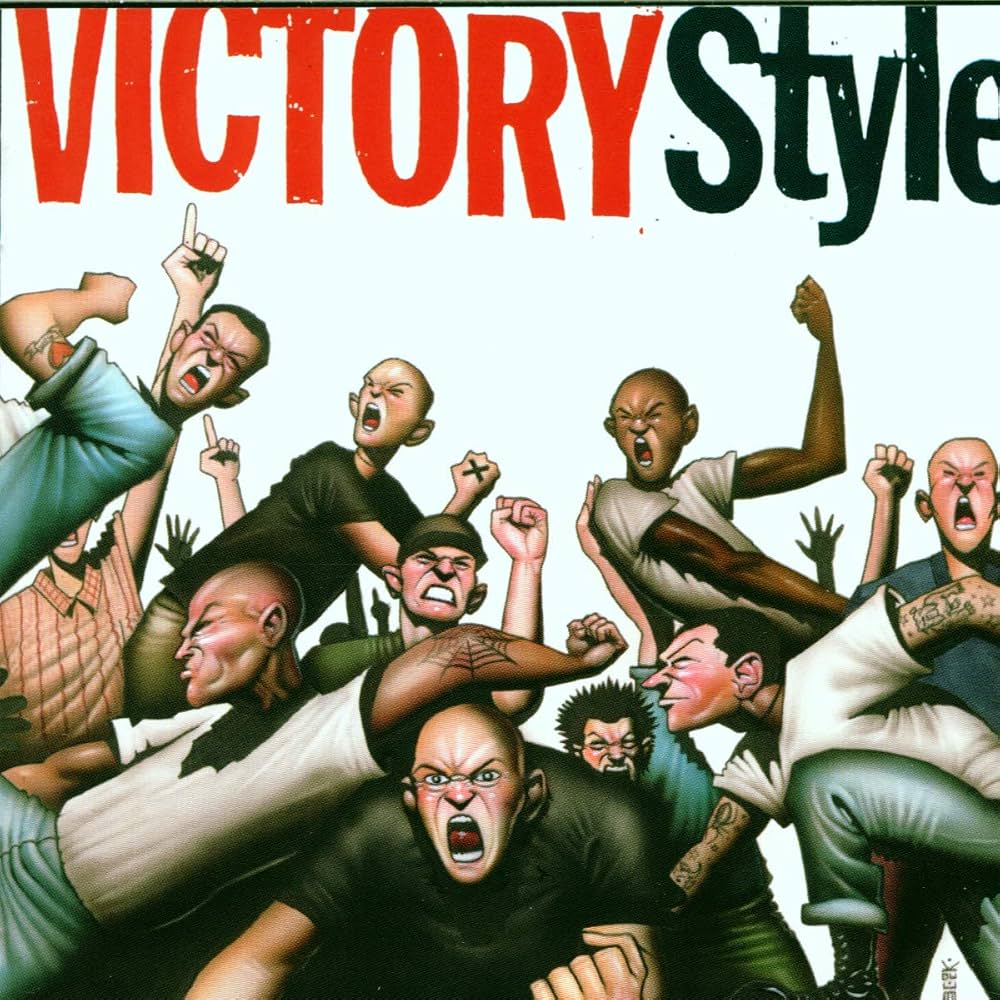
Naysayer vocalist Gary Gunwald told me as much when I interviewed him earlier this year. “I was basically finding things from Victory Style and Punk-O-Rama CD comps,” he recalled of discovering hardcore in the late ’90s. By this era, I was already well-versed in hardcore, but I imagine those compilations served as an important entry point for plenty of younger kids.
That's where Crime Ridden Society enters the story. Featuring musicians who included hallowed Cleveland bands such as Integrity, Confront, and Meanstreak, One Life Crew released Crime Ridden Society through Victory during the label's mid-'90s rise, and calling the band controversial would be putting it mildly. Their lyrics and image leaned heavily into confrontation and provocation, but the anti-immigration lyrics to “Pure Disgust” became the biggest stain on the band's legacy.
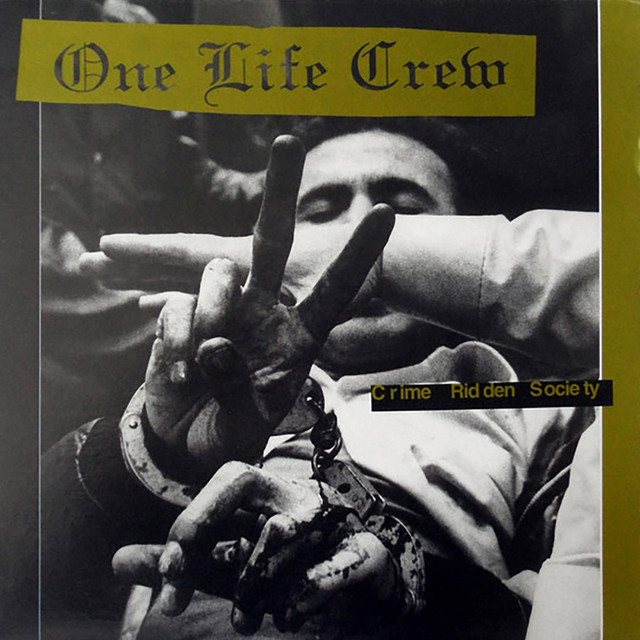
Things came to a head at Cleveland Fest in 1996. When I interviewed Abnegation vocalist Iggy Imig in 2021, he remembered arriving at the fest the day after One Life Crew's infamous appearance. Abnegation already had some beef with members of the Cleveland scene, so he wasn't exactly looking forward to walking into the situation.
“Paul and Chris, who had been there the night before for the One Life Crew ‘riot,’ relayed the prior night's happenings, so we thought for sure that it was going to be over once we got on stage,” Imig recalled.
By the second half of the '90s, getting signed to Victory had become a legitimate goal for young hardcore bands.
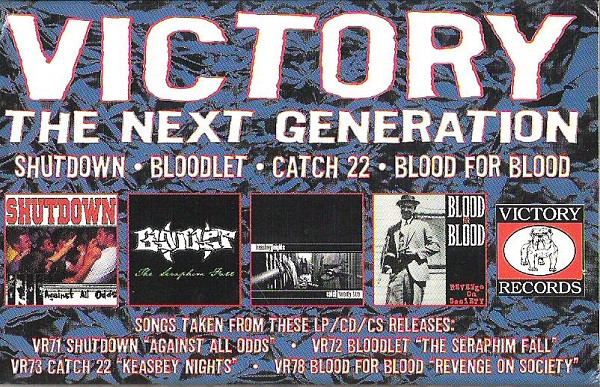
Shutdown vocalist Mark Scondotto was only 16 when his band recorded its first demo in 1996. They put together a handmade press kit, included VHS footage of the band, and started mailing it to labels. Revelation was actually the one Scondotto was hoping would bite.
“I remember really hoping and praying Revelation Records would get back to me, but when it wound up being Victory, we certainly weren't complaining,” he told me in 2017.
Shutdown's signing showed how much the landscape had shifted since Brummel was paying for 7-inches with tip money. After playing a packed Raybeez memorial benefit at CBGB in 1997, Shutdown were approached by Victory A&R representative John Regan about joining the label. This time, it wasn't just a handshake between hardcore kids. Shutdown brought in an attorney to examine the contract and signed a four-record deal with Victory that December. A month later, they were already in the studio recording Against All Odds, which Victory put out in 1998.
At the same time, recording budgets were climbing. Rick Rodney told me Strife made One Truth for about $7,500. When they recorded In This Defiance, Victory gave them close to $30,000.
Word of that budget got around the hardcore scene. “People were calling us rock stars [laughs],” Rodney remembered. In just a few years, Tony Brummel went from starting Victory with $800 to handing a hardcore band $30,000 to make a record.

By 1997, Victory had another monster on its hands.
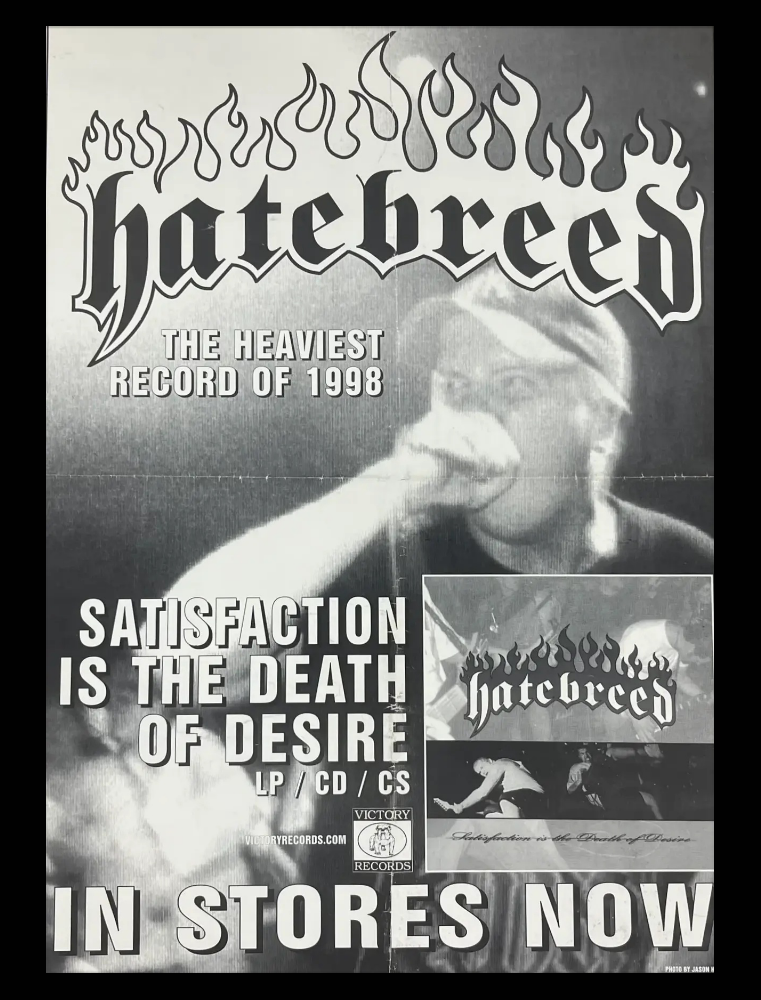
Hatebreed had already built a serious following before their debut album, Satisfaction Is the Death of Desire, came out that year, but their decision to sign with Victory wasn't universally celebrated in hardcore. Jamey Jasta later remembered people accusing the band of selling out and calling Victory “the McDonald's of hardcore.”
Hatebreed didn't see it that way. “We loved Strife and Integrity, so we thought it was a good fit for us,” Jasta recalled years later.
Then Satisfaction came out, and you couldn't fucking escape that record. I remember seeing Hatebreed shirts at death metal shows then, always a sign of cross-genre pollination. My band during that period, Black Army Jacket, played the 1998 installment of the Milwaukee Metalfest, and Hatebreed had one of the best receptions of the weekend.
The numbers backed it up. By 2004, 'Satisfaction' had sold 158,000 copies according to Nielsen SoundScan. When Universal Records president Monte Lipman discussed signing Hatebreed, he credited Victory with selling those crucial first 100,000 copies. That's a long fucking way from 20 people watching a hardcore band in Tony Brummel's parents' house.
The bigger Victory got, the more stories you heard about Tony Brummel.
I certainly did. As I started playing in bands, touring, and meeting more people around hardcore, the stories multiplied. Depending on who you talked to, Tony was a bully, a guy who fucked over bands, or a smart but tough businessman who understood that running a record label wasn't a charity.
The funny thing is, when I started interviewing Victory alumni years later for No Echo, their experiences were just as varied.
Snapcase vocalist Daryl Taberski told me his band had a good relationship with Brummel during their early years on the label. “We were seeing royalties and kept in close contact with Tony at the time,” Taberski recalled. Snapcase also approached the financial side of touring carefully. They kept expenses down, recouped what they owed Victory relatively quickly, and reinvested money back into the band.
Rob Pennington of By the Grace of God offered a much more nuanced account than the typical Victory horror story. Although his band eventually left the label because they felt some of Victory's decisions no longer lined up with their message, he didn't do any trash talking. “I appreciate Tony's contribution to By the Grace of God's capacity to share its message and don't harbor any bad feelings,” Pennington said.
Then you had someone like Integrity's Dwid Hellion, whose assessment was considerably less warm. “Tony Brummel is a businessman in the strictest sense of the word,” Dwid said in a 2015 interview with First Order Historians before making allegations about unpaid royalties and royalty statements.
And that's probably the most accurate way to remember the Tony Brummel stories: there wasn't one version of the guy.
Some bands felt Victory helped take them somewhere they couldn't have gotten on their own. Others came away angry about money, contracts, or control. Sometimes those wildly different accounts came from bands operating on the label during roughly the same period.
For all the bands I've spent time talking about here, I've barely scratched the surface of Victory's '90s roster.
Path of Resistance deserves a special mention. Formed by members of Earth Crisis after a 1996 van accident temporarily sidelined drummer Dennis Merrick, the band recorded Who Dares Wins, with three vocalists trading off over metallic hardcore. It was another distinctly Victory record from that era.
And that's still barely scratching the surface.
Cause for Alarm, Cast Iron Hike, Blood for Blood, Damnation A.D., In Cold Blood, Fury of Five, Straight Faced, OS101, Greyarea, Skarhead, Electric Frankenstein, No Innocent Victim, Reach the Sky. I could keep going.
And just look at that list. You had thugged-out NYHC, punk 'n' roll, melodic hardcore, street punk, metallic hardcore, post-hardcore, Christian hardcore, and veteran bands sharing space on the same label.
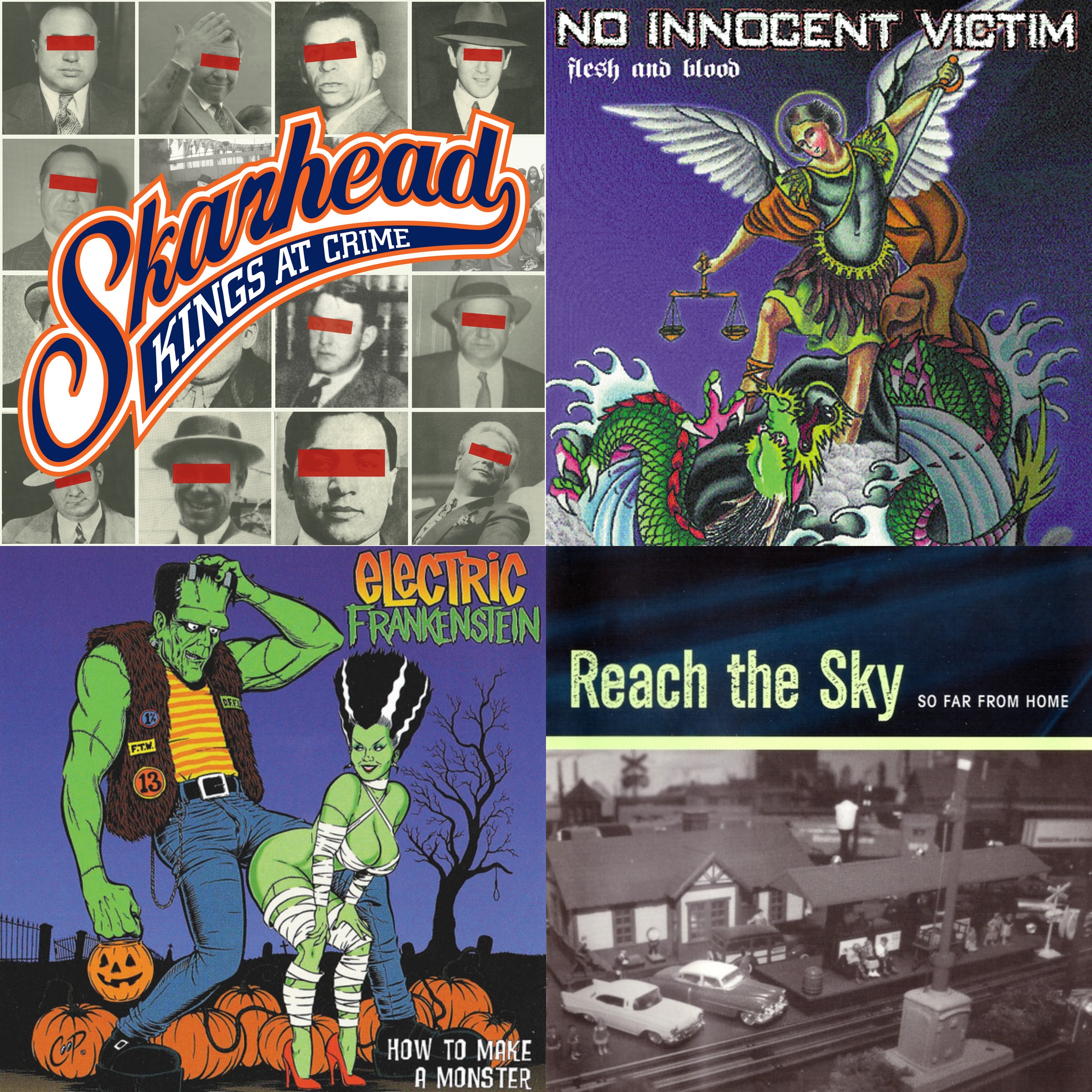
That's another thing I think gets lost when people remember Victory Records. There really wasn't a single “Victory sound.” Brummel might have known his audience, but his signing tastes were all over the fucking place.
A band like Blood for Blood wasn't doing what Reach the Sky was doing. Electric Frankenstein sure as hell didn't sound like Damnation A.D. And nobody was confusing Cause for Alarm with Cast Iron Hike. Yet somehow, that bulldog made sense on all of them.
Whatever you think of Tony Brummel or the way Victory did business, it's hard for me to look at that run of records from the '90s and deny the label's impact. And I'm clearly not alone.
In 2020, after Concord acquired Victory and the label's Chicago warehouse was being liquidated, a reader of No Echo, Peter Young, went to an auction and spotted an unmarked wooden chest. Inside were roughly 200 Victory Records test pressings.
Peter had gone in hoping to score a test pressing of Earth Crisis' Destroy the Machines. He figured he'd spend maybe $6,500.
He spent $12,095.
Yes, twelve fucking thousand dollars.

As Peter later wrote in a No Echo feature about the experience, he knew there were plenty of hardcore veterans who had complicated feelings about Victory, or who might now downplay how much the label once meant to them. He wasn't one of them.
“In its day, Victory Records was awesome,” he wrote. “And if it came out between 1989 and 1998, and it wasn't Baby Gopal, then I owned it.”
Inside the chest were test pressings from Snapcase, Strife, Path of Resistance, Earth Crisis, and plenty more. Thirty years earlier, Brummel was putting out 7-inches while waiting tables. Now people were spending five figures fighting over artifacts from the label he'd built.
I don't look back at Victory Records in the '90s with rose-colored glasses. There were controversies, ugly moments, pissed-off bands, and plenty of Tony Brummel stories. Some of them you've just read.
But there were also a ridiculous number of records that helped shape my taste in hardcore and, judging by the people (including bands with members that weren't even born when the label was still in existence) I've interviewed over the years, plenty of other people's as well.
For a stretch there, that bulldog on the back of a record meant something.
This was fun to put together. And yes, the Hi-Fi and the Roadburners omission was by design.
***

Tagged: bloodlet, earth crisis, grade, integrity, no innocent victim, one life crew, path of resistance, reach the sky, record label profile, ringworm, shutdown, skarhead, snapcase, strife