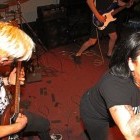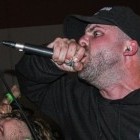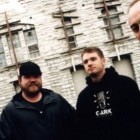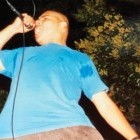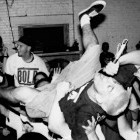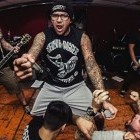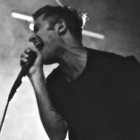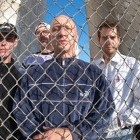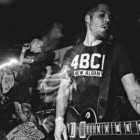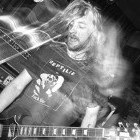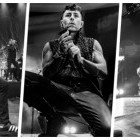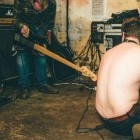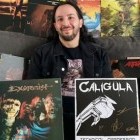

During the vibrant hardcore scene of the early ’90s, Vancouver’s Strain carved out a reputation via devastating grooves, palm-muted mosh heaven, and Jody Taylor’s commanding vocal presence. Their grip of 7" EPs (including one on Pushead's Bacteria Sour label), and 1996 full-length, Here and Now, continues to find new audiences decades after they first hit DIY show distro tables.
I chatted with guitarist Sean Lande and bassist Eric Flexyourhead to reflect on those formative years, the chemistry that drove Strain’s creative peak, and the impact of Taylor’s tragic passing in 2016, both on the band and on the community that loved him.
For those who weren't there, describe the hardcore scene in Vancouver and Western Canada in the early '90s. What were some of the bands from the region and era that you remember making an impact?
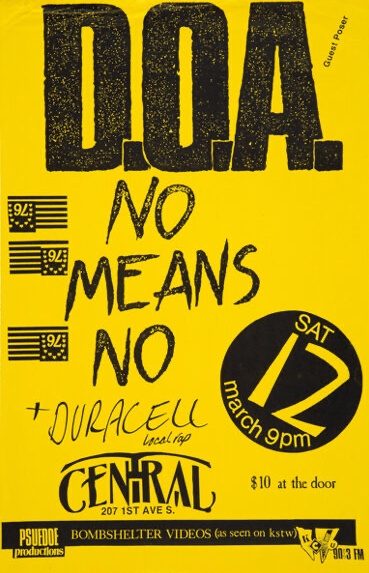
Sean Lande (guitar): I was sort of just getting into the scene. I started going to shows in ’88. In the early '90s, there wasn’t much of a hardcore scene in Vancouver. At the point, I was going to see DOA, SNFU, Nomeansno, and Headstart. All these bands were incredible at that time and I was lucky to see them.
Headstart made the most impact for me, as I actually got to interact with them. The two guitar players had a radio show called Flexyourhead on university radio up here and introduced me and my friends to a ton of bands.
One of the radio show hosts was Eric [Thorkellson], who played bass in Strain, (he played guitar in Headstart) and also recorded my first hardcore band’s (XLASTSTRAWX) demo in 1989 in their practice space.
What were the seeds behind the formation of Strain? Was there a specific sonic blueprint that you all talked about before you started playing together?
Sean: Jody and I started the band. I was playing bass in another band with two of the members of Headstart (which later became Brand New Unit), and while it was an honour to play with those guys, I wasn’t driving that band and I wanted to go in another direction. I wanted to do a true hardcore band. Also, I wanted to do a straight edge band, or come as close to it with the limit of players in Vancouver.
Jody and I played around doing some fun bands with our friends, but he had the idea to ask some of the more prominent musicians in our scene that were a bit older than us to play with us. We recruited Kim [Kinakin] from Sparkmarker, Jinx [Stringer] from Brand New Unit, and we got Eric out of musical retirement to play bass. The was the first lineup, and by far the worst.
Blueprint-wise, I don’t remember ever talking about anything or anyone we wanted to draw influences from, although they are definitely there. I wanted to do something that was heavier and angrier than anything else coming out of Vancouver.
READ MORE: Chokehold: Vocalist Chris Logan on the Making of the Prison of Hope Album
What was the reaction like to the 1992 Strain demo? Were you playing a ton of shows right out of the gate?
Sean: The first songs were recorded in the basement of my family home on a 4-track machine. I actually don’t remember if we released them as a demo. I do remember Dave Larson from Excursion Records being at our first show in Bellingham, Washington. He asked if we’d put a song on a compilation tape he was putting out, and that was the absolute best news.
We built some hype up before we played our first shows. I can’t remember how, besides putting out some stickers. We were also very lucky to play an early show with SNFU (and some others). Those guys were friends with Eric and supportive of us, which was super cool.
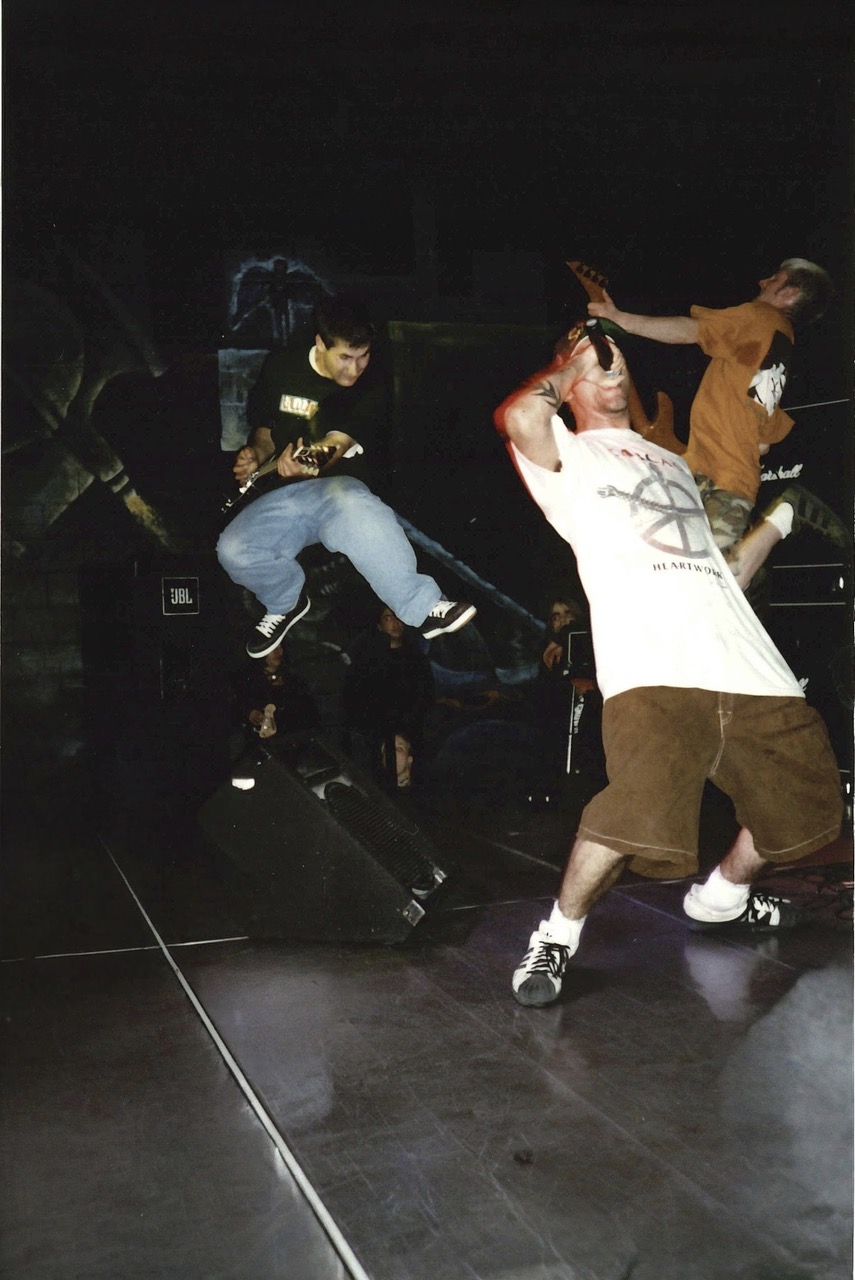
How did Strain meet Florian Helmchen of HeartFirst Records? Was that through Sparkmarker previously working with the label? What are your thoughts on the Driven/Second Coming 7"?
Eric Flexyourhead (bass): The HeartFirst Records connection comes from a relationship that started with Florian when he offered to release an EP of old material from a band I had played in when I was much younger. That band was Fratricide, together in 1986 and 1987. And, actually, the Driven/Second Coming 7" slightly pre-dates the Sparkmarker 7" (BEAT 014 vs BEAT 015 for Sparkmarker).
For me, the Driven/Second Coming 7" marks the transformation of Strain from a side project for Jinx (Brand New Unit) and Kim (Sparkmarker) when they were in the band, to finally being the real deal for the rest of us.
Interestingly, both were still heavily involved in that EP seeing the light of day - Jinx assisting with the recording we did on my friend's 8-track machine and his Mackie mixing console in another friend's house, and Kim putting together the cover and insert layouts with us. Apart from the somewhat shrill, solid state Fender M80 guitar sounds, the recording holds up much better than anything we'd done before.
For the next Strain release, Cataract/Turn the Tide, you recorded with Seaweed guitarist Clint Werner in the engineer chair. As a huge Seaweed fan, I have to know how that experience was for you. From a guitarist standpoint, did he get involved with the tones and/or arrangements at all?
Sean: Working with Clint was awesome. It’s funny, I didn’t know much about Seaweed at the time, but definitely became a fan. Such a good band. He was the first real studio experience we had. We recorded the Overkill EP in Vancouver previously with the first Strain lineup and it was absolutely terrible.
Jinx played drums in Strain, but wasn’t a drummer. He’s a guitar player. Kim had such a great style for Sparkmarker, but it didn’t work that well for Strain. Once we got Len (drums) in the band, that was a game-changer. I do remember talking to Clint about guitar tones.
I was using a Fender M80 at the time, which is a solid state head. I didn’t know it sucked at the time. I actually thought it was awesome. He tried to get me to use a Marshall. I declined and we debated on distortion sounds. We ended up using the Fender, but looking back, he was obviously right.

The self-titled EP on Overkill Records might be the first release I got from the band. Ron Guardipee (Brotherhood, Resolution) was such a pivotal force in hardcore music during that time.
Sean: Ron was one of my hardcore mentors. I know he was that to a lot of people.
I first wrote to Ron when I saw an ad in a zine for the Brotherhood 7”. I wrote to him and he actually wrote me back. Not just a little note, but asked me a bunch of questions and about people that he knew in Vancouver. We ended up writing each other back and forth, and for a young kid, it was really cool to be able to speak with someone from one of my favourite bands.
I ended up meeting him when his band, Resolution played in Vancouver. He was the raddest guy and so passionate about hardcore and extremely generous. As mentioned above, he rejected the first recording for the EP. I was personally relieved as I knew it sucked. Working with him was kind of a dream. Overkill was awesome. I mean, he originally put out Those Who Fear Tomorrow.
Eric: For me, my connection to Ron goes back to Brotherhood, though that likely played no role in Strain connecting with Ron for the Overkill 7"/CD EP. I'd known Greg from Brotherhood from his days in False Liberty and kept in touch with him for years afterward (Fratricide history note: Greg did backing vocals on one unreleased, never-completed track).
So the Seattle/Vancouver hardcore scene connection was pretty strong even before Strain hit the scene. Our first home-recorded demo somehow managed to impress Ron enough to offer us that first 7". (We won't talk about the recording with the original lineup for that 7" though. Things that are scrapped are scrapped for good reason. Thanks to Ron for being brutally honest with us!)
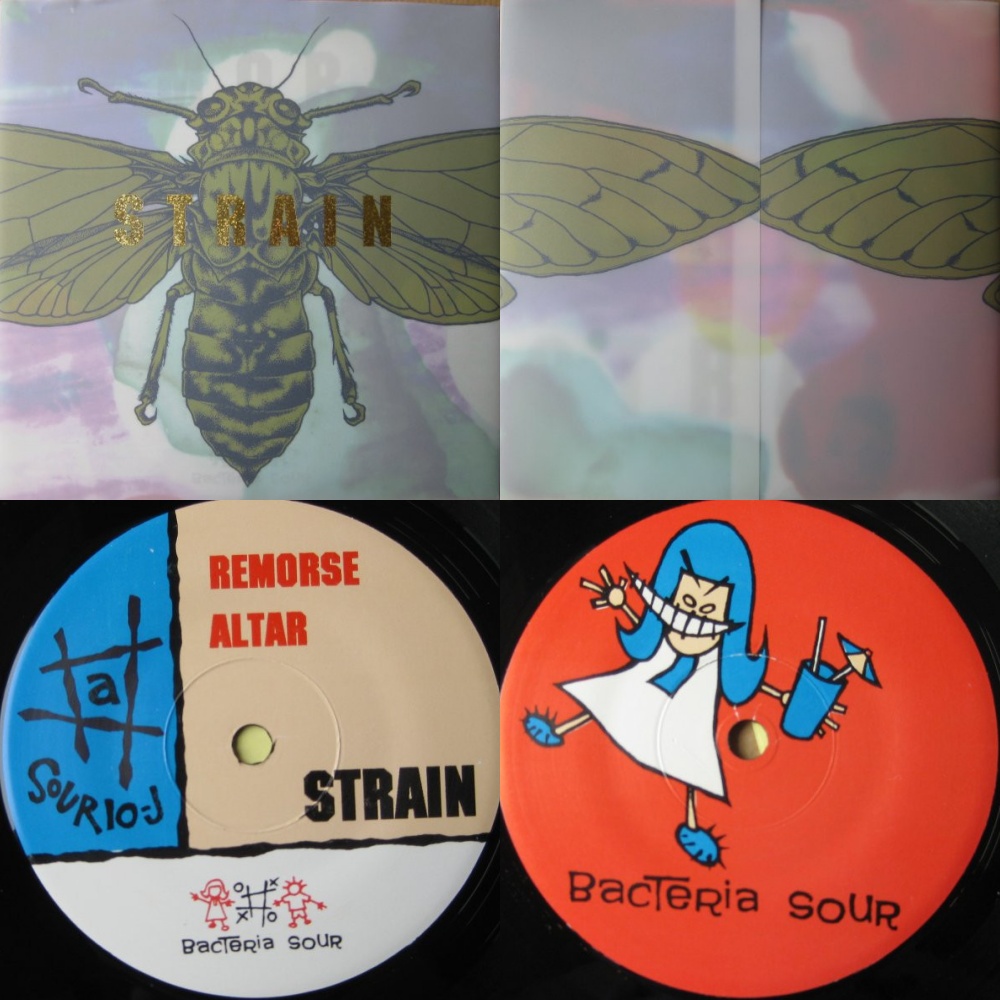
How did the Strain x Bacteria Sour collaboration come to be? That must have been such a trip to working with Pushead! Did you have any input on the art/layout side of Remorse?
Eric: Again, old connections run hard! As noted, I'd previously played in a band called Fratricide. In 1986, we recorded a demo and sent it to Pushead hoping to get a mention in [Pushead's music column in Thrasher magazine] Puszone (because we were all skater kids heavily into crossover, "peace punk," and international hardcore).
After listening to the recording, he reached back out to us and offered us one side of a split with the Dutch hardcore band, Neuroot. This led to a project that only ever made it to test pressings, with that very limited number of discs leading the split to get a kind of mythical/legendary status among collectors of all-things Pushead.
While we were super bummed that the record never saw the light of day, there were no hard feelings from us. I still regularly kept in touch with Pushead in the years that followed and he continued to be interested in what I was doing musically. This lead to his offer of a release as part of his singles fan club.
As for input on the artwork? None! But that was kind of the beauty of it. The covers and treatment were a total surprise when we received the discs and I'm still stoked on all of the different variants that he created (nine different versions of covers and vinyl treatment according to Discogs).
Continuing on, what's the story behind the These Years EP on HeartFirst Records?
Sean: If I remember correctly, 2 songs were to come out on HeartFirst and the other two (from the Our End EP) were to come out on New Age. I can’t remember why the New Age 7” never happened though. I believe we must’ve had the These Years 7” for out ’96 Euro tour.
Yeah, how much touring was Strain doing at that point? What are some highlights from that Euro tour in 1996?
Eric: Strain played as frequently as we possibly could. We would have loved to have done a lot more in the US, but the combination of getting across the border, getting time off of our day jobs, and not having our own van all played roles in keeping us mostly at home, in Seattle as much as we could pull off, and occasional blasts down the West Coast for shows in California.
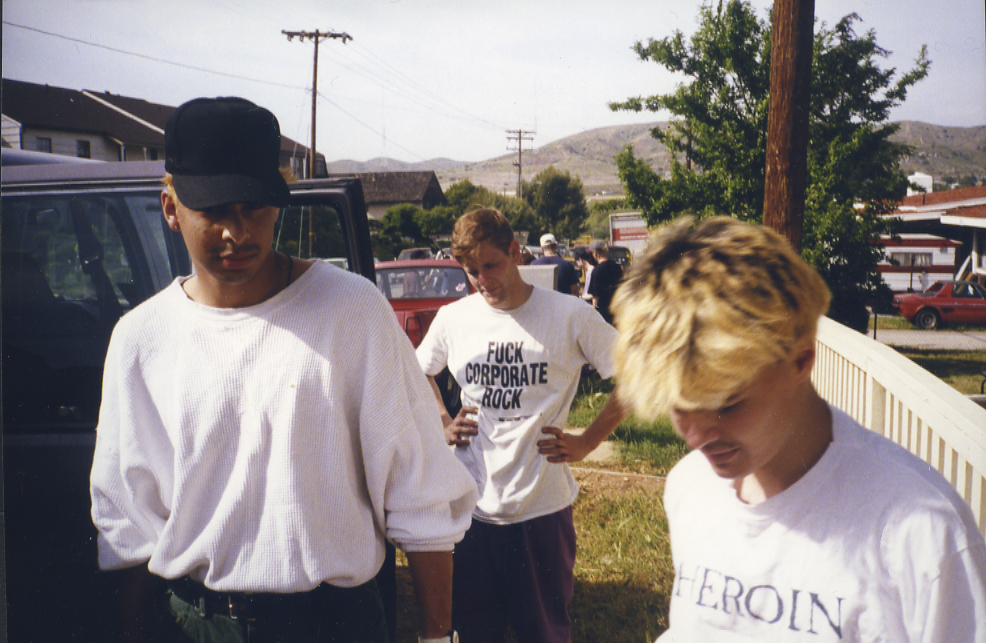
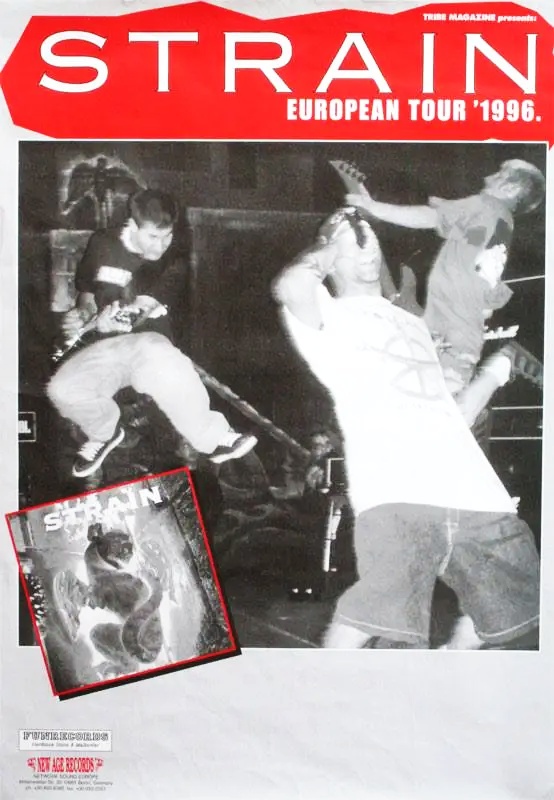
Our first "big" tour came in 1995. Steffen Rose from Navigator Productions reached out and offered to bring us over and book a tour based on the hype from the Overkill and HeartFirst 7"s.
That first tour was five weeks, played with a temporary lineup that never played together again after the tour, was sometimes challenging for us as the first time really far away from home, but so much fun that we all knew touring like this was something that we wanted to continue doing moving forward.
Who did you play with on that first tour?
Pitbull from Detroit. Weed-smoking, beer-drinking Detroit Lions football fans that played hardcore. Maybe we could have expected that from the band name?
Yuppicide. They should have been bigger at home, because they were an unstoppable force in Europe. But, like us, it seems they never really left their homebase enough to make a name for themselves. Underrated band, 100%.
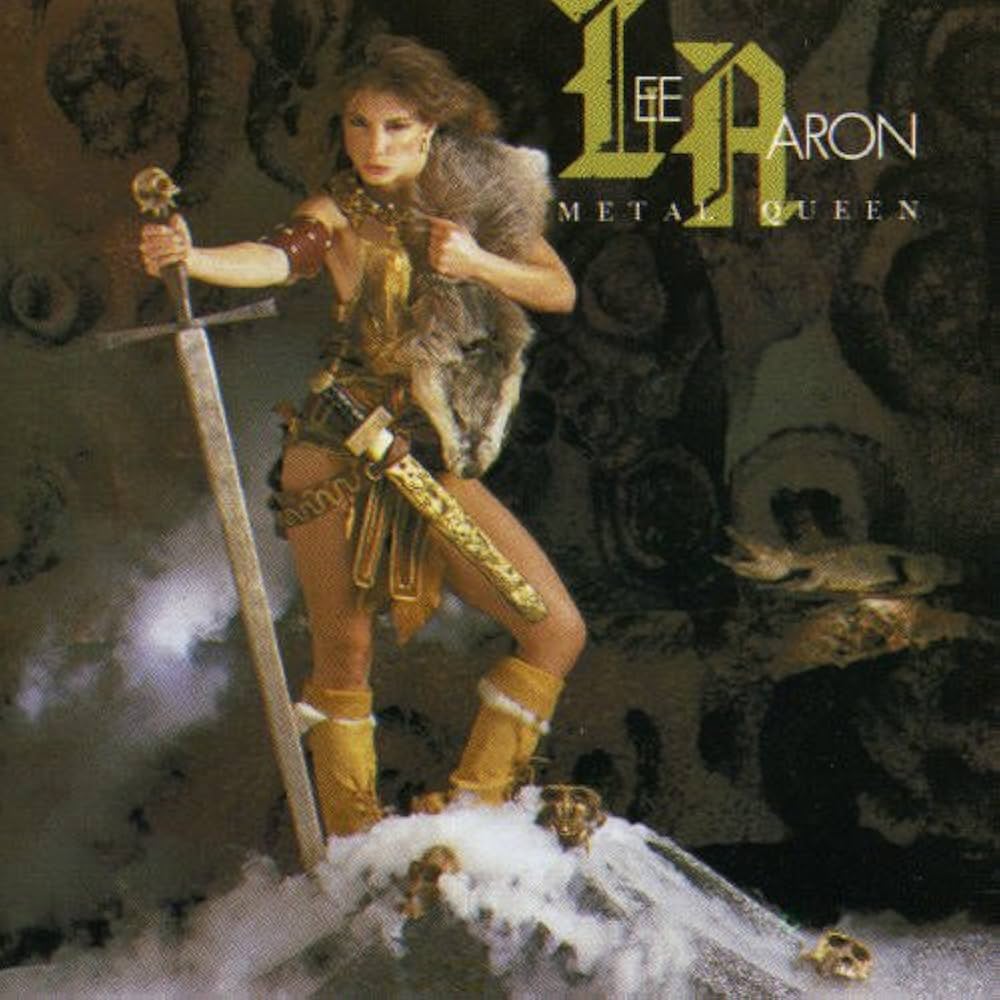
We met an Egyptian pop star the morning after our Milano show. I wish I could remember his name and look him up 30 years later. We spent our flight delay time at Frankfurt airport hanging out with Lee Aaron, Canada's "Metal Queen." How random was that?
That first Euro tour was amazing, but the second tour in '96 was even better. We didn't have a shit van that died part way through the tour. We brought along our Swedish straight edge vegan warrior, Olle, to roadie and move gear.
We played more shows. We played bigger shows. We played S036 in Berlin. Yuppicide again. Weeks spent with our bros in Germany's Elision. Meeting so many friendly kids, bands, and promoters. And on and on and on.
I'm pretty happy with my life today, but the days I spent with my best friends in Strain will always be some of the best days of my life.
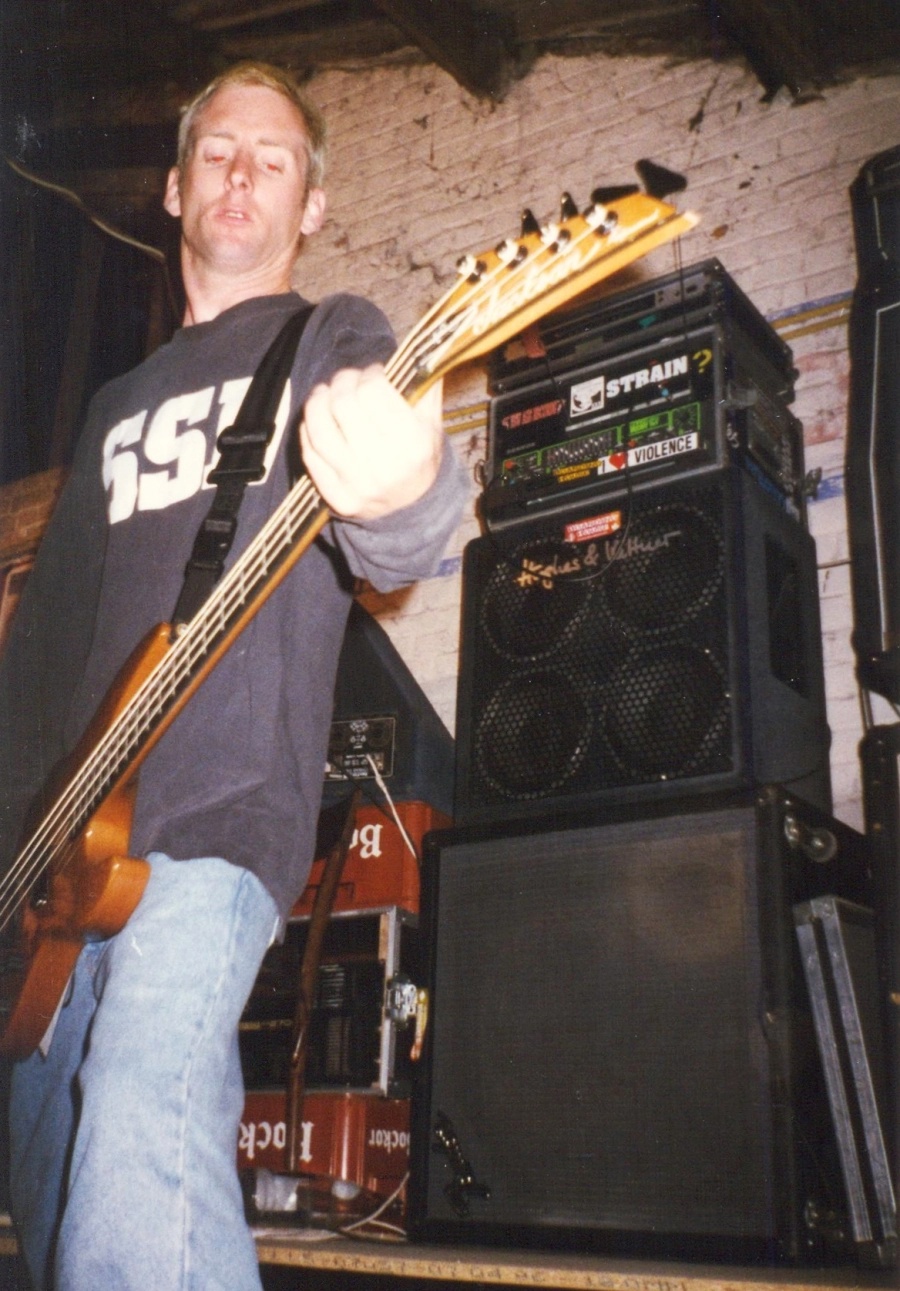
Let's get into Here and Now. That was Strain's sole album, and the only release to come out through New Age Records. How did the label come into the picture?
Eric: We were at the point where we felt we were ready to do an album, and more or less had enough material to do an album. I can't remember the exact sequence of events, but I'm pretty sure it started with me calling Mike Hartsfield and putting out a feeler for possible interest.
READ MORE: New Age Records: Everything You’ve Wanted to Know About the Seminal Hardcore Label
Yeah, New Age was releasing some great records during that era.
We were all huge fans of Mike's bands (Outspoken, Against the Wall) and the label already, so it was a pretty natural fit/move onto something with a bit more profile in the hardcore scene. Mike said he needed to see us live before he would make any decision and hooked up a SoCal show with Strife and Redemption 87 for us.
At worst, we'd get to play an awesome show with Strife; at best, we'd get to play an awesome show with Strife and hook ourselves up for an album with New Age. So we piled into yet another borrowed van and drove 24 hours each way to play a single show. Missions accomplished and Here and Now would come out of that trek.
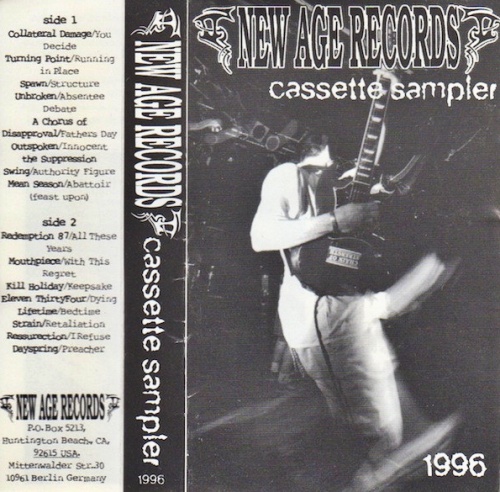
Sean: For me, getting on New Age was a big deal. Being a kid and mail-ordering records and shirts, to being in one of those bands was a dream come true. I remember going down to LA to play that show and feeling excitement and some pressure.
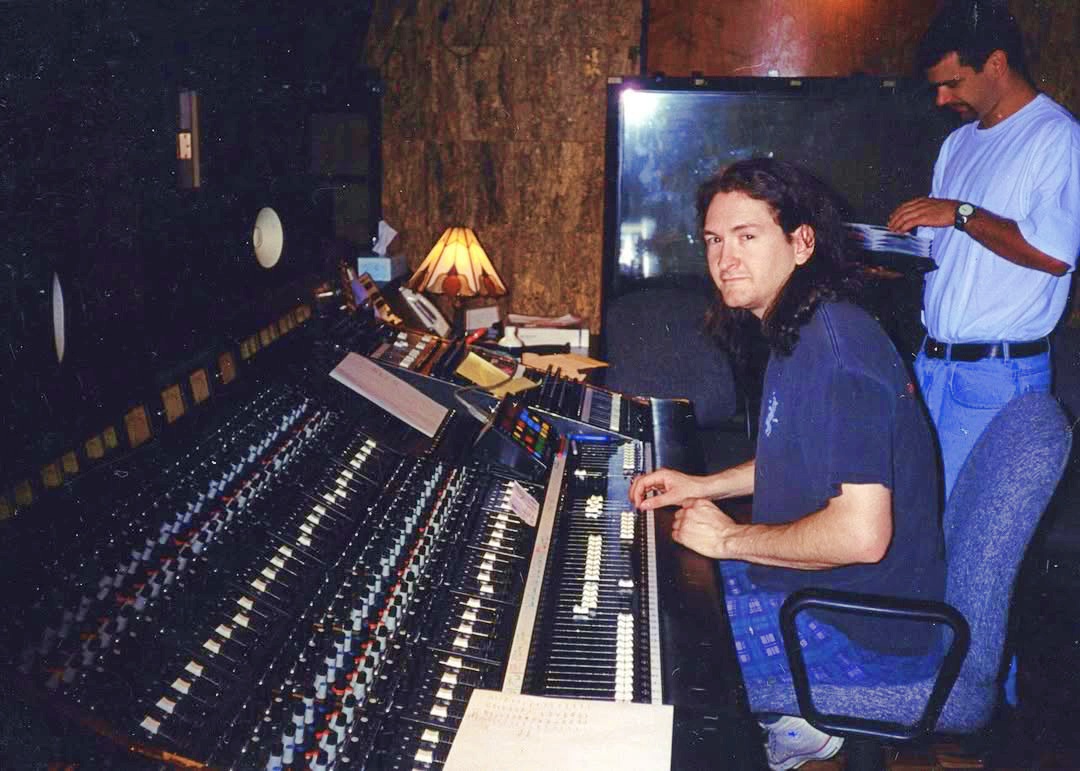
It was great to be able to get some money to fund that album and record at the legendary, Mushroom Studios with our friend, Blair.
What are some of your favorite songs on the album? On the flip side, would you change anything about the album if given the chance?
Sean: My favourite songs on the album are "Sin" and "The Answer." I would change a few things, actually. "Torn Away" was from another recording. I would have re-recorded that one and I would’ve written two more song to replace both "Driven" and "Cycle" as they were already released.
I think at the time, we probably wanted to give them the big studio sound. But looking back, I think there’s character to the initial versions of those songs and it would’ve been great to have fresh songs throughout that LP.
Was the Our End EP released after the band broke up? I don't remember the timeline. What's the story behind that release?
Sean: Our End was released before our 1996 European tour. It may or may not sound like it, but we were pulling back a bit from the more metallic style of Here and Now and going for something a tad different. Shades of more straight hardcore on that EP. I really like that record and loved Jody’s lyrics and performance on it. I feel like we were finding our voice as a band and coming into our own.

What brought on Strain's breakup in 1997?
Sean: Some of it was the direction I was seeing the scene go in. I wasn’t really into what was happening musically around us, and it really felt like there was a shift away from the style of music we were playing.
Mainly though, [guitarist] John [Franco] and I started writing By A Thread songs and really started to gravitate toward doing that band and taking it seriously. It was really tough as we loved Strain and the people in that band, but we were just being pulled in another direction. We still played a few shows (at least one surprise one) around that time, and they were always fun.
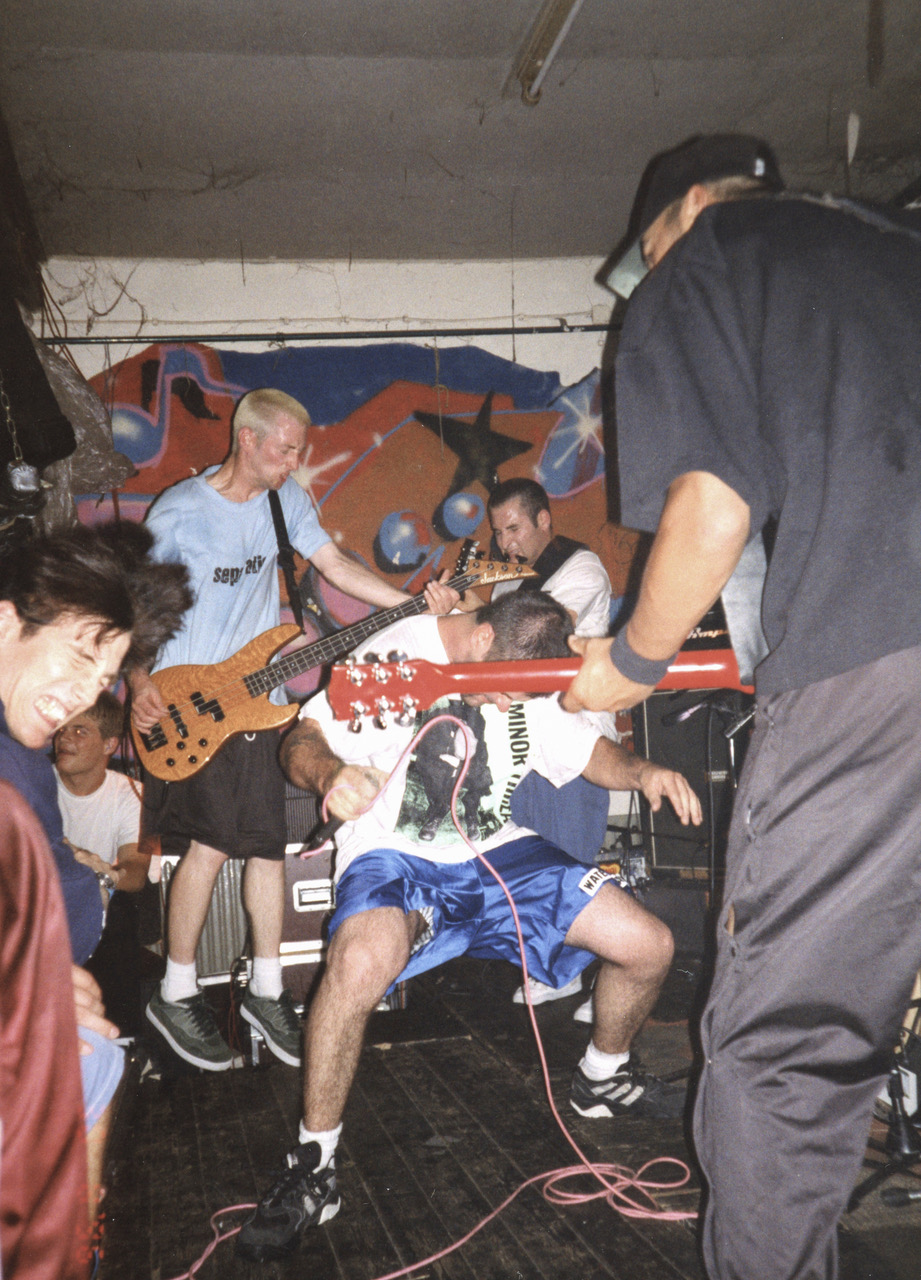
There’s been a resurgence of interest in Strain lately, with newer bands citing you as a prime influence. What’s it been like seeing this renewed appreciation from both older fans and a new generation? How closely have you paid attention to that?
Sean: I have been noticing this. Just the other night a friend of mine was at a show and one of the bands covered Retaliation. It’s been amazing to see, for sure. Things tend to go in cycles and I’m very happy when anyone can connect with anything we’ve done.
What song from the Strain catalog would you play to someone who has never heard the band before and why?
Sean: If I were to play someone one of our songs, I’d probably choose "Find the One." It’s always been one of my favourites. What I loved about Jody as a lyracist was how his lyrics rarely followed the typical path.
Musically, I’ve always been drawn to the verse riff; it feels disjointed, but has comes in with a cool groove.
Strain's vocalist, Jody Taylor, passed away back in 2016. I wanted to close this interview out with your memories of him.
Eric: Jody. Damn. In my life, I can only remember that all-important first meeting with a handful of people. And Jody is one of them. I remember his introduction to him to this day. I'll never forget it. And I'll never forget Jody.
I think about him frequently as even after Strain finished, we remained close friends. Music, photography, skateboarding, our stupid senses of humour... we had so many connections. And I'm so sad that he wasn't around to take a big chunk of my vinyl collection home with him when I had my "send my records to new homes with my best friends" party before moving to Japan last year. That's a day where Jody would have been 100% in his element and I'm so shattered realizing that my vinyl wasn't able to end up in his collection.
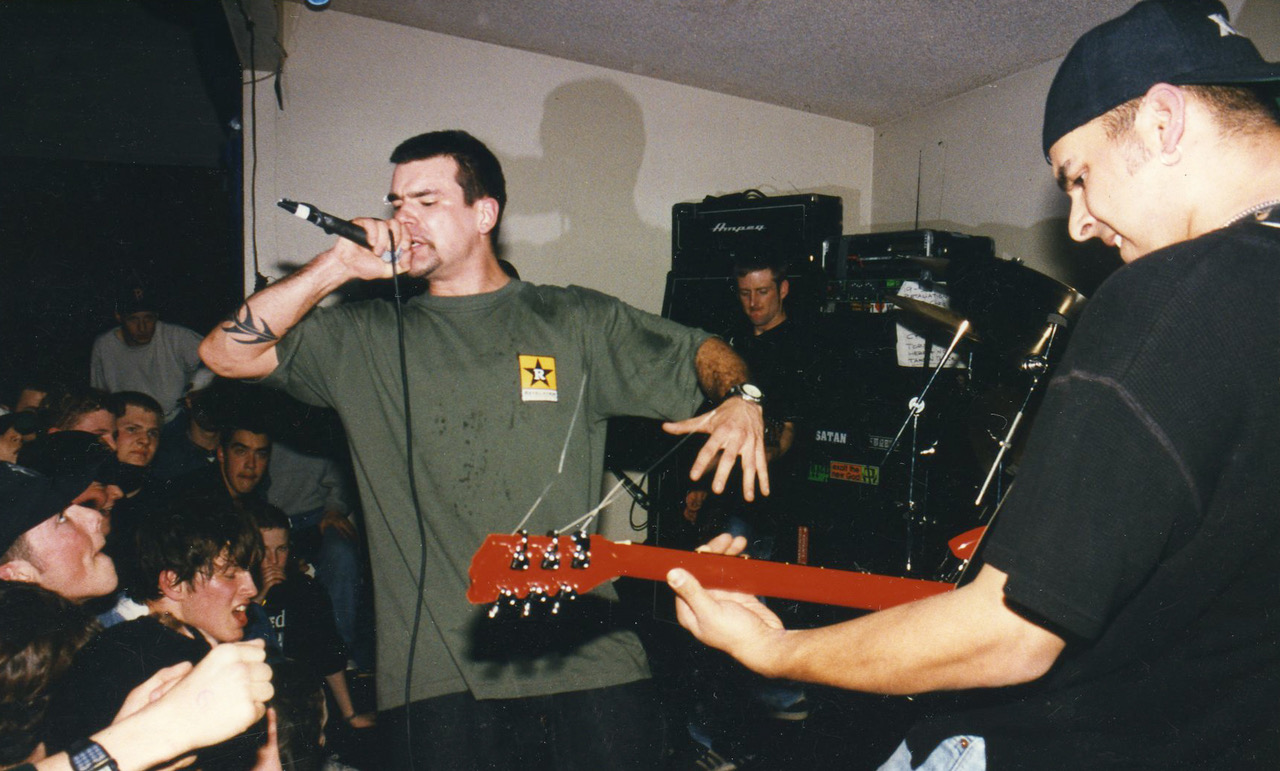
Sean: Jody was my friend before he was my bandmate. The more time we spent together, the more I came to know him on a deeper level. He loved people and connection, and like so many of us, he was multi-dimensional and complex.
What always stood out was how supportive he was—someone who would do anything for you. I feel incredibly grateful to have had him in my life during such a meaningful and impactful chapter. I think of him often, and I’ll always hold our time together close to my heart.
***
The vinyl reissue of Here and Now is available now via Devarishi Records.
Tagged: 90s hardcore week, by a thread, strain