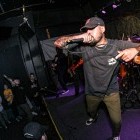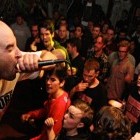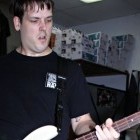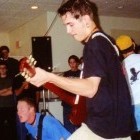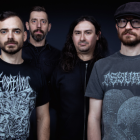
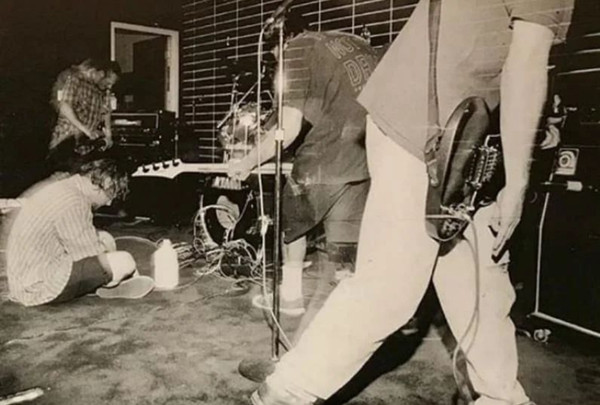
Few bands embodied the raw intensity and restless creativity of early-’90s hardcore like Groundwork. Rising out of Tucson’s DIY scene, the Arizona outfit fused metallic bite, jagged rhythms, and political urgency into a sound that defied easy classification. Their 1994 album, Today We Will Not Be Invisible Nor Silent, remains one of the most unique and jarring albums of the hardcore scene of that era.
I caught up with vocalist Brendan DeSmet to revisit Groundwork's roots, their fiery discography, and the unique environment that shaped their brief but lasting legacy.
Describe the hardcore scene in Arizona when you were growing up. How did you come to find hardcore/heavy music in the first place?
When I was a freshman in high school in 1987, there were a bunch of local punk and hardcore bands in Tucson. Some of us used to sneak out of our parents' houses at night to catch rides with older kids from the scene to go to those shows.
Bands like Civil Order, Bloodspasm, and Opinion Zero were some of my favorites. Small bands that never really got far beyond Tucson, but they meant the world to me. In addition, most of us were already listening to more well-known punk and hardcore bands, as well as metal and hip-hop. This is the time when I made many of my friends that would later form Groundwork.
How did Groundwork come to be? Did you guys know each other from playing in other bands? Also, what were some of the influences discussed during the early phase of the band?
Groundwork was conceived as a side project from a couple of other local bands members were in at the time in 1991. Dave (guitar) and I wanted to do something that involved our vegan straight edge ideals, so we grabbed Britt (bass) and Thayer (drums) and had our first practice, in a garage where we decided to play a couple covers. But that immediately led to us writing our own songs.
It became a real priority after we played our first couple of local shows shortly thereafter. Our influences were from all over punk, hardcore, and metal. But I'd say the first handful of songs we wrote were influenced by Judge, Outspoken, Solitude (Drift Again), Undertow, Turning Point, etc.
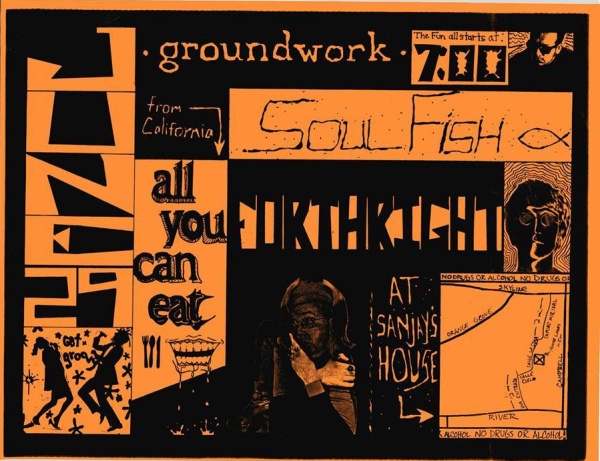
What were some of the early Groundwork shows like at home? Did the local scene take to you rather quickly? Any highlights?
We kind of had our own little scene with a few different bands somewhat separate from the older, more established punk bands in town. Most of those folks weren't too excited about snotty young vegan straight edge kids anyway.
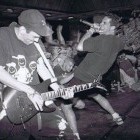
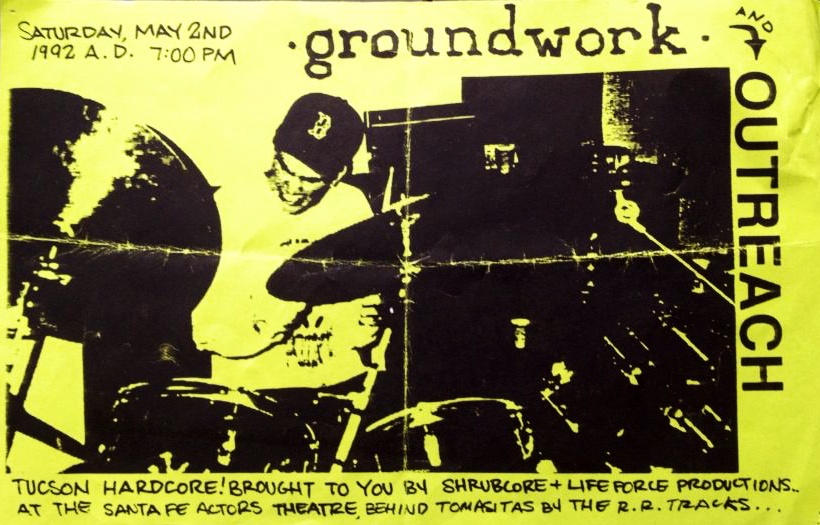
We did a lot of house shows and hopped on bigger venue shows when we could. It was the glorious era of the early '90s mixed bill, and so we played a handful of "strange" lineups for us with bands like Pennywise, The Offspring, All You Can Eat, and others during that first year.
READ MORE: Bloodlet: Evilcore Through the Lens of a True Fan
The Arizona desert isn't the most obvious birthplace for a politically charged hardcore band in the early ‘90s. How did your environment —geographically, culturally, and musically—influence Groundwork’s identity and outlook?
I think that being from a small city in the desert was definitely a big factor in how the band developed. Being somewhat isolated, we didn't get a chance to see or play with a lot of the well-known bands that folks in bigger cities did. But it also meant that we didn't have to conform to a particular sound or style or politics, either.
We played what we wanted, how we wanted, and we did and said what we thought was right at the time. There weren't a lot of "big scene" constraints or gatekeepers. We could be a tad weird, I guess. And I think that played a role in us finding a somewhat unique style in the years to come.
Groundwork released a split with a band called Suspended Animation in 1991, but I didn't hear you til the release of the Lay Down release a year later.
The Lay Down 7" was a weird experience. We received a letter from and Italian record label wanting to do a record for us. It was shortly after our first split 7" with Suspended Animation had come out, and we were excited to do something new. I remember we were waiting for our copies to come from overseas for what seemed like an eternity.
I really can't remember how well that record was received, but I vaguely recall it got a couple decent reviews in some zines. By that time, we'd had a chance to play out of town (Phoenix, California, New Mexico, etc.) a bit and started making friends outside of our town which also connected us more and more with other bands.
That would definitely lead us to some of the new opportunities we had coming up. Playing here and there with some great bands would end up being influential to us like Voice of Reason, Struggle, Downcast, Man is the Bastard, Undertow, 411, and more.
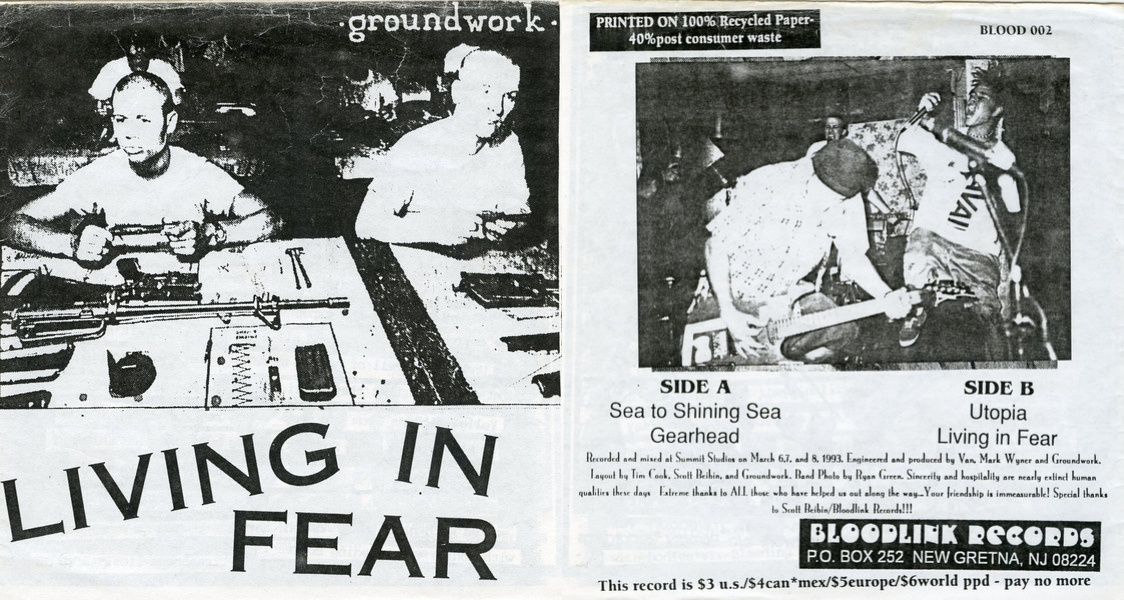
1993's Living In Fear 7" opens with a couple of my favorite Groundwork songs: "Gearhead" and "Utopia." It's a great representation of the screamo aspects of the band's sound meshing with the more dark hardcore side of what you did. How did you find a balance between those sonic and stylistic worlds when you wrote?
When Scott at Bloodlink asked about doing a record, we were definitely turning a corner musically. We were opting for a harsher and noisier approach in many of the songs (which I think is pretty apparent on that 7") and leaving some of the more basic song structures behind as well.
"Living In Fear" was partially a response to the Gulf War hysteria and atrocities, but also a result of us maturing as people and beginning to look at the broader state of the world. It's an angry and discordant record, which was purposeful...and the sound reflects that.
After that record we had a lineup change...Britt left and we got Jerid on bass. Shortly thereafter we recorded the split 7" with Unbroken and toured the country. The sound continued to evolve in a more aggressive fashion, but with some added dynamics starting to emerge. That '93 tour was an amazing and wild experience.
Several of us in the band had never been to the south or the East Coast before so it was eye-opening. We caused some mischief, saw a lot of the sights, and played shows with some completely amazing bands that I have to mention because those memories stay with me to this day.
The people and music of bands like Policy of Three, Chokehold, 4 Walls Falling, Native Nod, Sparkmarker, Scapegrace, and more will forever be a part of our history as a band.
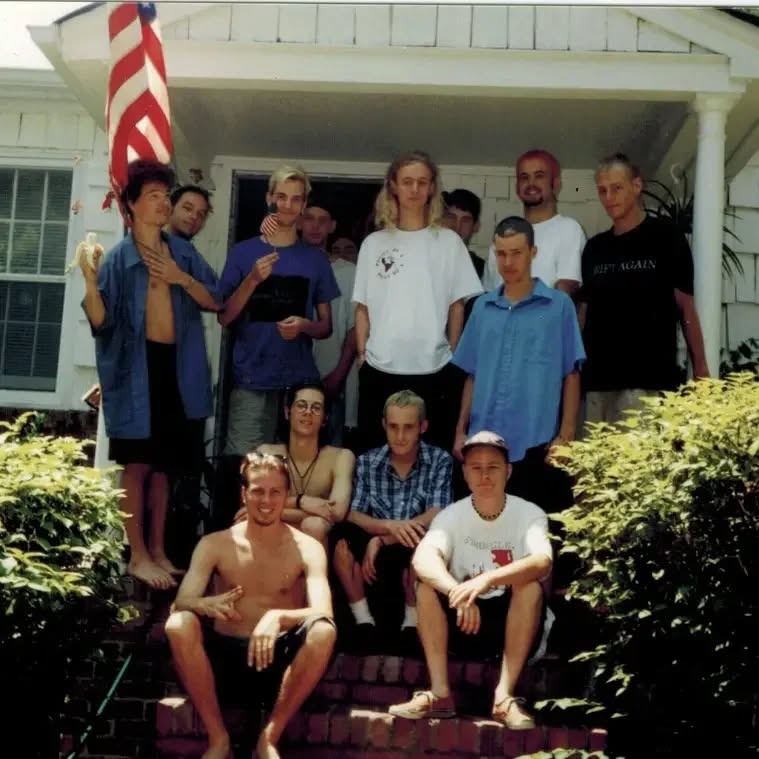
I listened to the Today We Will Not Be Invisible Nor Silent album today before prepping for this. It instantly took me back to the early '90s when so much of this stuff was still new to me. What do you remember about the writing and recording process, and how do you feel about it today?
The time surrounding the writing and recording of our LP was the most creative and ultimately destructive period for Groundwork. We had another lineup change where Jerid went to second guitar and we added Jim on bass, so we were a 5-piece. This was the most fully realized we would ever be as a band.
The influences were broad, the experience level and musicianship were greater than ever before, and the lyrical subject matter had matured even further. Writing those songs was exhilarating and I really have to give credit to all the other members for what they created... I mean, I certainly had input and ideas on the songwriting, but as a vocalist I was just so inspired by them as musicians. And we knew we were pushing some boundaries and genuinely excited about making something unique as those songs developed.
By this time, we were also playing more cool shows locally in Tucson and Phoenix, and all around the west which gave us opportunities to play with touring bands. We booked shows for and/or played shows with the likes of Born Against, Merel, Rorschach, 16 Bullets, Swing Kids, Indian Summer, and more.
We had long since left the more standard vegan straight edge hardcore sound behind, though those ideals remained, but sought to write with more nuance and creativity both sonically and lyrically. The LP was supposed to be a culmination of all that change and growth since we started, and it was an emotional experience getting it all out of us and into recorded form. It was also supposed to be a statement - one that would take us to another level of realization, on tour to Europe, and then beyond. Alas, that was not to be....
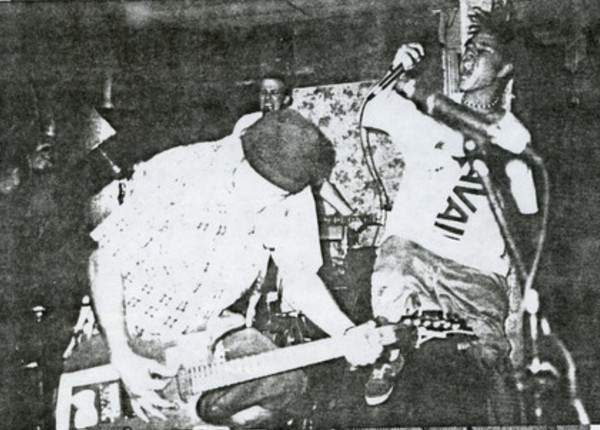
The LP and Living In Fear were both released by the aforementioned Bloodlink Records. There's been a lot said about Scott Beibin throughout the years, but what was your experience working with him like? Did he do a solid job getting the records out to distributors and mail order customers?
I'll start by saying that overall, we had good experiences with Scott. He definitely loved the band and was very supportive. He even joined us for part of that '93 summer tour and we were definitely stoked be in good company on Bloodlink with bands like Chokehold, etc. By the time our LP came out in '94, the band was imploding and didn't really exist anymore.
As a result, nobody was really paying close attention to how things were being handled. Nor had we really done so with the prior two 7" releases on Bloodlink. A lot of the time I think we were just happy to have another record see the light of day and that was all that mattered. It's undoubtedly true that many copies of the split 7" with Unbroken, the Living in Fear 7" and the LP were made and sold without us getting the share of vinyl or sales we probably deserved.
To be fair, the '90s included a lot of little DIY labels doing their best, but definitely not running things like a responsible or transparent business. We were all just kids, ya know? I'm certain there were nefarious characters taking advantage of people and bands purposefully, but I think Scott was mostly just over-promising and under-delivering...like so many others of the time.
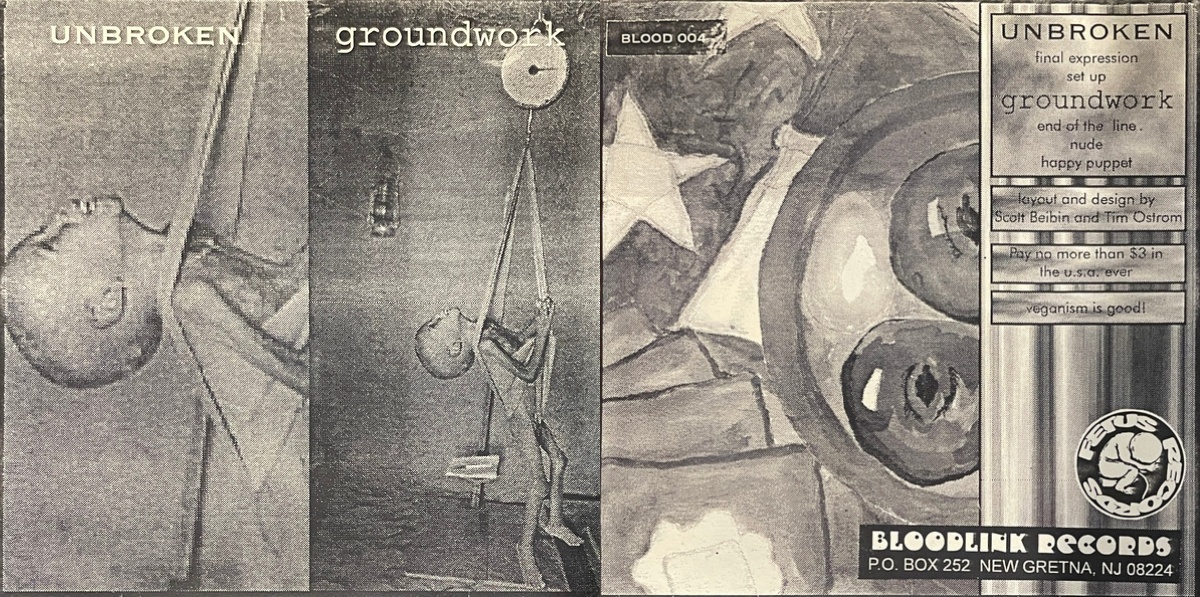
Did you feel “on the outside” of the scene during your run, or were you aware of your impact even then? I was still living in NYC during that period, and Groundwork felt obscure compared to a lot of the other bands of that time. I would also say the same about bands like Threadbare and Ordination of Aaron.
We were definitely on the outside for pretty much the entirety of our existence. Being from a somewhat isolated part of the country and not being able to play a lot of shows with notable bands or participate in bigger scenes, we flew a bit under the radar. Many of our contemporaries went on to do releases on much bigger labels, tour more, and achieve a greater degree of recognition.
Often, those bands were in greater proximity to opportunity than us due to location. But it was also our own damn fault. The band broke up right when the LP was coming out, and right when we had big plans for what might have made us more of a well-known band. If we had stuck around for another year or two and released another record or two and maybe toured the country after the LP or gotten over to Europe...who knows?
It's also worth noting that our sound and attitude and politics definitely had a part to play. We really didn't fit nicely into any particular niche. We didn't really want to be pigeonholed, and I think we even delighted to some degree in crossing the weird genre boundaries in hardcore. Someone once wrote in a review of our LP that we sounded like a cross between Rorschach and Fugazi. And while comparison to either one of those incredible bands, who we all loved, is entirely undeserved...it helps illustrate my point.
No, I definitely follow what you're saying.
People seemed to have a hard time defining us back then, and I think that played a role in our relative anonymity. And we certainly had no idea that there were people who found our music to be so influential and inspiring that it helped shape the way they went on to write music for their own bands. In that moment, we were all just struggling to be heard ourselves and often felt unrecognized.
But nowadays, when people talk that way about Groundwork being influential, it makes me somewhat embarrassed but also very proud. Last year was the 30th anniversary of that final record, and a lot of people had very kind (and surprising!) things to say about the band when the special edition vinyl reissue came out on Protagonist Music. The things that people wrote for the special booklet were very meaningful to me and I am thrilled that what we created still resonates with people - new and old - even today.
READ MORE: When the Major Record Labels Came Knocking: ‘90s Hardcore Takes Big Swing
Why did Groundwork break up? Was it an amicable split, or was there mounting tensions within the band at that point?
Groundwork broke up because stupid young kids do stupid selfish shit. It's pretty simple and we're all guilty of that. When you are that close to a group of people and emotions are always running high but maturity levels certainly aren't, things are bound to get out of control. It's a shame that we collapsed - especially when it happened, as I mentioned earlier. Because if not for that...who knows...
But hell, we are only one of so many other bands who have similar stories to tell, and frankly, I think our flame burned pretty brightly, and more importantly, genuinely, for the time we had together. It broke all of our hearts when the band ended... But some cool new bands came out of the ashes, and everyone grew up and learned a lot in the years afterwards.
[Groundwork members went on to play in such bands as 400 Years, Bury Me Standing, and Absinthe after their break up.]
The band reunited in 2015 to play the King of the Monsters Fest. What was that experience like for you? Would you do it again?
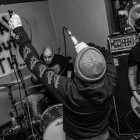
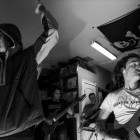
The reunion show was an experience that we all loved. Each member of the band lives in a separate state, spread all across the country. And four of the five members have children. So it was incredibly difficult and a labor of love for it to happen. We owe a great debt of gratitude to Mike Genz from King of the Monsters for planting the seed and providing the opportunity.
That whole festival was a blast, and so many great bands played that we were honored to be part of it all. People traveled to Phoenix from all over the country and the world, which blew me away. There was even some good old fashioned 90s-style controversy around the fest. Quite fitting.
Anyway, we had just a couple of days in Tucson to practice before we played, and it was a great time for us to reconnect and enjoy each other's company. A ton of laughs were had and good memories were recalled. Friendships strained by time and distance were rekindled, and we got a chance to explode with energy and love on that stage.
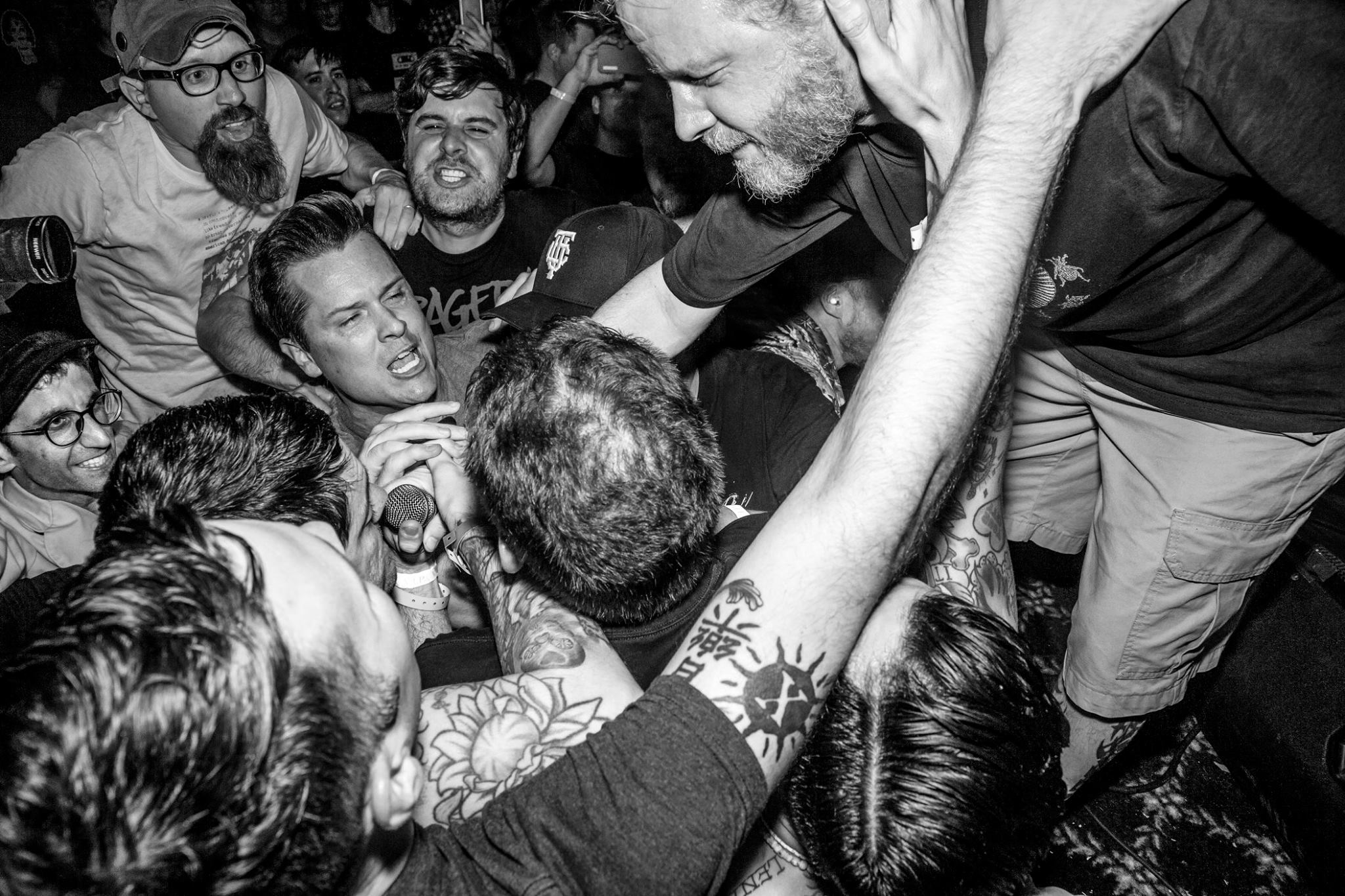
I was super nervous, but had a great time...even though I gave myself a gnarly concussion during the set [laughs]. It was a wonderful experience and people seemed to enjoy our set despite its imperfections. In fact, a lot of offers to play other festivals here and abroad have come about since then.
But unfortunately, that was probably the one and only time it will happen. And I'm glad it happened in our home state of Arizona where the desert heat birthed our crazy hardcore journey.
***
Groundwork on social media: Instagram
Protagonist Music on social media: Instagram
Tagged: 90s hardcore week, groundwork