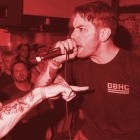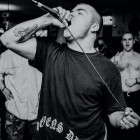
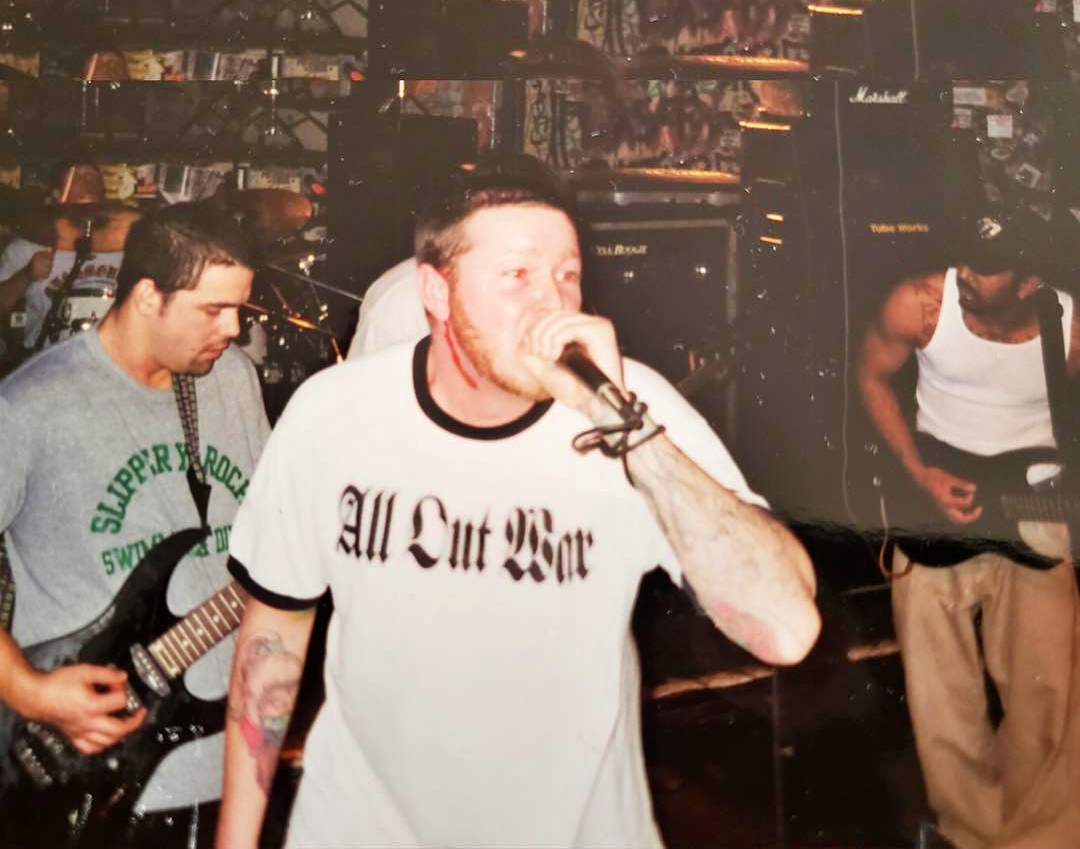
When you dig into the hardcore that came out of Pennsylvania in the ’90s, one of the names that always surfaces is Mushmouth. The band built a reputation on hard-hitting live shows, uncompromising lyrics, and a sound that reflected the grit of their scene.
In the early 2000s, they carried that same energy forward under the name Out to Win, a change that marked a new chapter but kept the core spirit intact.
At the center of it all has been vocalist Chris Henzel, whose perspective on those years is shaped by the friendships, challenges, and chaotic shows that defined an era.
I recently caught up with Chris to talk about his entry into the Pennsylvania hardcore scene, the history of Mushmouth/Out to Win, and what those experiences look like through his eyes today. Oh, and Rick ta Life.
Speaking as someone who played there, and also saw some shows there as a spectator, Pennsylvania had an exceptional hardcore scene in the '90s. How did you come to discover it?
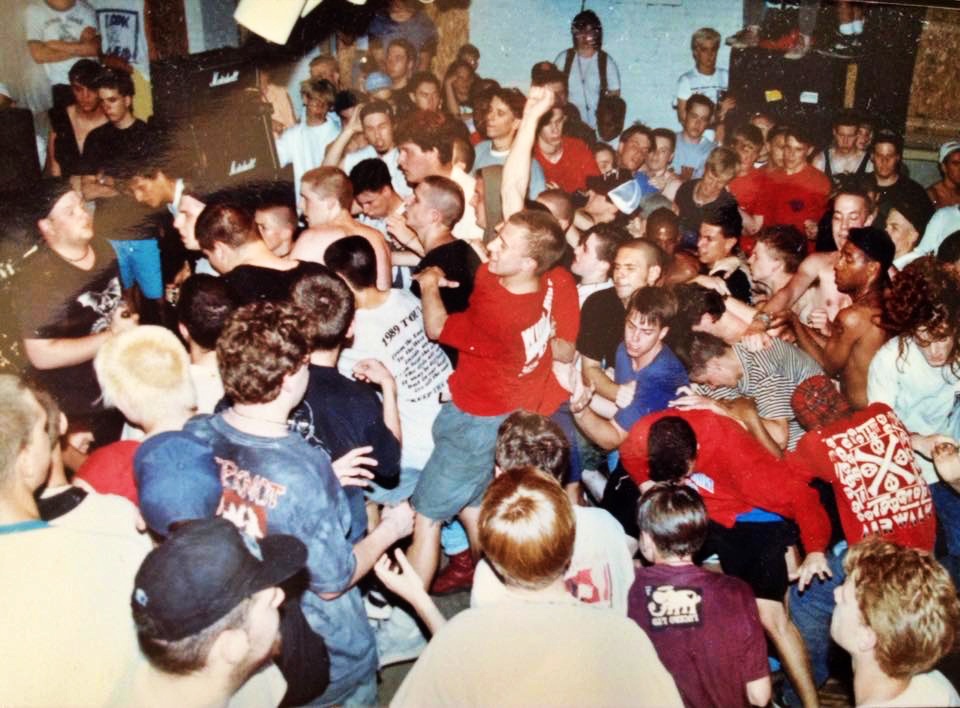
I was living in Maryland in 1992. Some of my friends were going to shows in Reading, Pennsylvania at a club called Unisound. I ended up heading to a show with them to that club and it was mind blowing to see how packed the shows were there and all the influential bands (to me) that were going there.
From a fan standpoint at that time, all I wanted to do was go to shows. That venue had awesome shows every weekend, so I decided to move there. Unfortunately, when I ended up moving there in 1993, Unisound ended up closing down soon before my move.
Philadelphia and northeast Pennsylvania really had great scenes, and I felt a real connection with the overall eastern PA vibe (though much different in each area).
What were some of the hardcore bands that inspired you early on?
As far as inspiration goes, the NYHC scene in the early '90s was at the top during that time, so most of the inspiration that led to me even joining a band was from that. Bands like sick of it all Killing Time, Crown of Thornz, Madball, Biohazard, 25 ta Life, Merauder, and Bulldoze were it for me.
Pennsylvania, honestly, was more inspiring from a scene standpoint than any specific bands in the early/mid-'90s: Krutch, Torment (SWAT) from Reading, Starkweather and Hard Response from the Philadelphia area all solidified what PAHC was at the time, to me.
How did you come to join Mushmouth? Did they know you from another band, or were you just friends from the scene there?
In 1994, some of the guys that were in Torment (SWAT), along with Chris Mahmood, were talking about starting a band. For the first year of their existence, I wasn’t part of that. I was asked to join as the singer about a year after they formed, as they were at the time, structured like Biohazard with guitar player and bass players who also doubled as lead vocalists.
They wanted someone more active fronting the band without an instrument. Since we were all friends, I seemed like the best choice. I had never done anything like that before in my life, so it was nerve-racking to say the least, but I tried out and luckily I was decent enough for them to approve. I think there were reservations initially, but it ended up working out.

I am fairly certain that I bought the 1997 Mushmouth demo you sang on from Rick Healey [25 ta Life, Back ta Basics Records) at a show somewhere in New York. What do you remember about the reception to that cassette from people outside of the Pennsylvania area?
Back then, Rick Healey really went to bat for us not just in PA or New York/New Jersey, but he pushed our music all over the world. Sure, he was bootlegging our tapes and profiting off of our music, but honestly, if it weren’t for him, kids in Japan, Europe and South America wouldn’t even have known who we were if it weren’t for him.
READ MORE: No Retreat Bassist Sean Moran Reflects Back on the Pittsburgh Hardcore Band’s History
Speaking of Rick Healey, he released the Mushmouth x Livin Proof split, and there was also the band's appearance on the A Call for Unity compilation on his Back ta Basics label. He's such a controversial figure in the hardcore scene, but what was your relationship with him like back then? Have you kept in contact with him through the years?
A lot of people have had their ups and downs with Rick, including me. I met him in 1992 at a show in Washington, DC. He always seemed very nice. He didn’t seem so much like he wanted something from everyone, at least from my perspective. We were friends for a bunch of years, we lost touch for a handful of years due to some differences that we had over him selling our merch.
We smoothed everything over. Then things took a downturn. The last time I ever spoke with him was when he first went on his rants in the late 2000s and he burned that bridge hard.
I’ve mostly tried to stay away from any drama surrounding him. He said some pretty terrible things about me, my family, people that I know, people who have passed and family members of some of my closest friends. There’s really no coming back from it.
What were some of your early shows like with the band? Was the local scene supportive from the get go, or did it take a minute to garner respect?
Like most bands, we definitely had to pay our dues. We just tried to play everything and anything we could, even going so far as to show up at shows randomly and tell the promoter we thought we were on it and they would just let us play for Free drinks or gas money. This was pre-Internet, so it was easy to bullshit that kind of stuff. It was definitely a grind.
The first couple of years, we didn’t know what to expect. Surprising to me, people seemed to like what we were doing. It felt cool to play shows in other states around the country with bands we were fans of, and wild to see the response we were getting so far from home. It was a huge motivator in our “success” as a PAHC band.
Although we were halfway between Philly and Northeast Pennsylvania, the mountains were where we seemed to really vibe and fit in. NEPA was our home base.

Tell me how Mushmouth ended up signing with Triple Crown Records. It was a NYC-based label that had some decent distribution and marketing behind it.
The owner of Triple Crown Records, Fred Feldman, was around the hardcore scene for years and years. He was previously doing Another Planet Records and had some decent names on it, and I guess he shifted gears and wanted to start another label that had more of the newer bands coming out in the hardcore and sort-of pop-punkish realm.
Our demo ended up on his desk at some point And the rumor has it, He actually threw it in the trash, and then one of his interns took it out and listened to it and suggested that he listened to it as well. Fred called us and set up a meeting and we signed with them shortly after that for a few records.
A.J. Novello of Leeway produced the first Mushmouth album, Out to Win, out of LoHo Studios in NYC. I recorded the Black Army Jacket album there with the same engineer, Joe Hogan. Was it a positive experience?
Fred knew of a studio in Chinatown to record our first record and that’s where A.J. came into the picture. Fred knew just about everybody already, and he wanted to have a name on the record that would help with promotion and so he got A.J. to “coproduce” the record with us.
He was a really nice guy, but in all honesty he wasn’t necessary in the recording process. We had these songs dialed in for years. Our drummer did all the songs in one take. Joe Hogan, the engineer, did more on the producing side than anyone.
He was awesome. Just a really laid-back straight shooter (He talked up Black Army Jacket the whole time we were there). Really easy guy to work with. We never got a chance to see or talk to Joe again after that recording session.
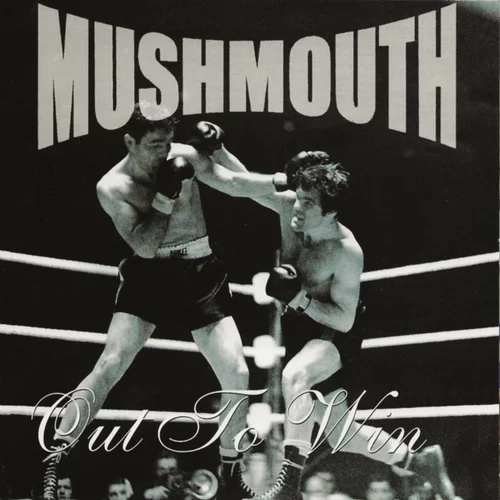
How much touring did the band do in support of the Out to Win album? Were you happy with Triple Crown's promotional push on that campaign? Was Fred hands on, or were you left to figure things out on your own?
We played a lot of shows on that record. We did some cool mini tours. We never did any full scale touring though. Most of our push was in the northeast, playing from New Hampshire down to DC, and out to some spots in the Midwest. We played a ton of great shows with a ton of great bands.
At that time, Triple Crown Records had some pretty decent financial backing, and Fred had some connections with some people who did publicity for Profile Records in which we were lucky enough to piggyback on that, getting interviews in major publications, our music on independent radio stations and satellite radio. The push was seemingly short-lived and we ended up doing most future promotion or bookings on our own, which we should’ve been doing ourselves anyway.
Sort-of blindly leaving it all to the label was not the best idea, lesson learned. We were very fortunate and ended up linking up with a booking agency out of Brooklyn that helped us out getting a lot of the shows with national acts and into areas we normally hadn’t or couldn’t get into.
The relationship with Triple Crown slowly deteriorated through the term of our contract, to the point where after 3 records (Mushmouth and Out to Win) if you go on the website even today, Mushmouth isn’t even listed.
Lift the Curse was co-produced between the band and Richie from Krutch/Wisdom In Chains. How different was the vibe in the studio for those recording sessions from the first album? It must have been fun collaborating with someone you were close with from the PAHC community.
Lift the Curse was a little more difficult than Out to Win because I was living in DC at the time, and our writing process had become a little different. We had a larger budget on the second record, so we had a lot more time in the studio.
We ended up recording in the Poconos at a spot where some friends’ bands had recorded. Richie was the the only real choice that we felt comfortable making for co-producing. It just made sense to have a friend and someone who knew our sound in the studio with us.
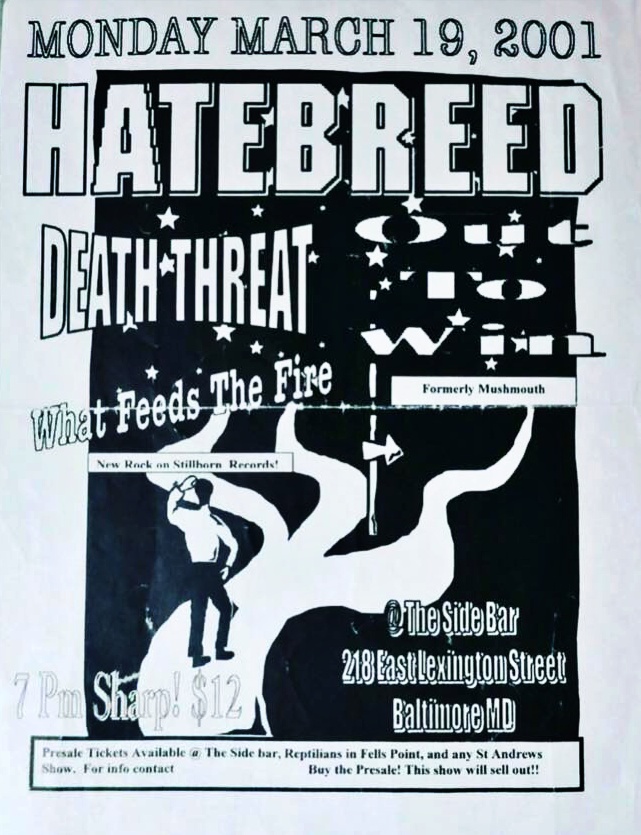
Did changing the band name from Mushmouth to Out to Win stem from a trademark issue? Do you think it had a detrimental effect on the band's trajectory in the long run? How stressful was that period?
We did get a cease-and-desist letter about the name. During that era, Jamey Jasta (Hatebreed, Stillborn Records) was helping us out a lot with booking shows and promotion.
When the name change came about, Jamey was throwing different band name suggestions our way and I think it ended up getting in my head enough to where I believed that it was probably a good idea to change the name. Figured it would be a lot easier to promote us as a band with a more fitting name.
I always thought after joining the band that the name didn’t fit our sound. In retrospect, I feel like we probably could’ve just kept rolling with it and it probably would’ve been better for us in the long run than changing it.
I wouldn’t say it was stressful at all, but we did get a ton of feedback from our peers in other bands, and a lot of fans about changing the name and that it was probably not the best idea.

Your shows had a reputation for being quite violent. Do you think that was an unfair assessment of how things really were? Were certain regions the band played crazier than others?
I don’t think that’s an unfair assessment at all. There were some very violent shows that we played. It was also at a time when most Hardcore shows were violent. We, as a band, never condone or condemned it.
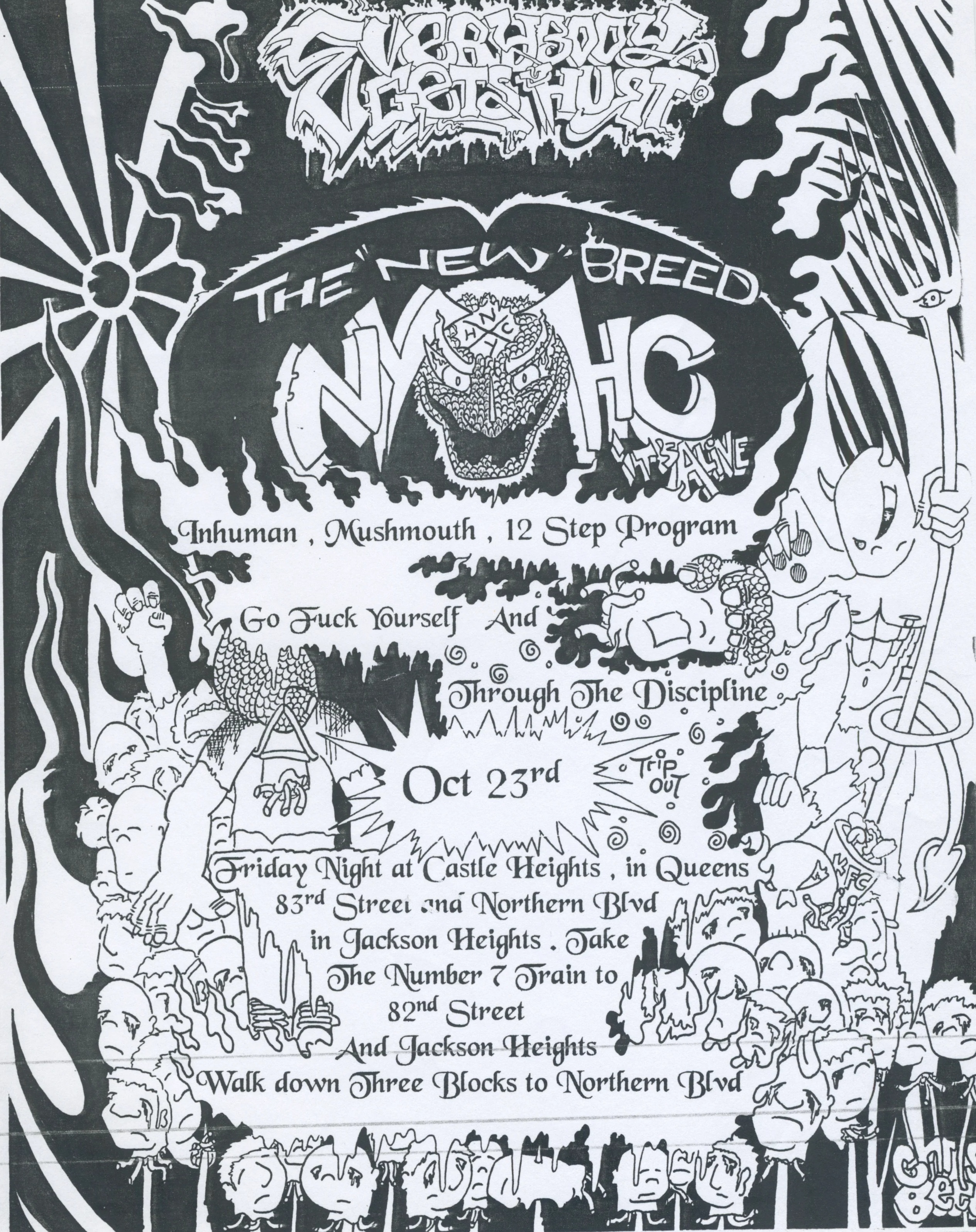
We always felt like we were the background music to whatever was going on in the venue. I think, in terms of shows being more violent, I’d say Queens, New York, northern New Jersey, and Philadelphia were probably top-tier in that respect.
Out to Win released the Persist and Destroy EP in 2002. The sound of that material was more metal-sounding, not unlike the bands that came out of the Belgian H8000 scene a few years before.
It was really just natural progression. We were just writing and that was what came out. There wasn’t really a plan to make it sound more metal or more mean or anything like that. It just kind of came out that way. Obviously, we were listening to bands during that time that were different than the '90s.
I grew up a metalhead before I found Hardcore. I think that started to come out a little bit in our sound once we really had our footing. We were always compared to the more metallic hardcore bands of that time and before us, so I would just chalk it up to us being around it so much.
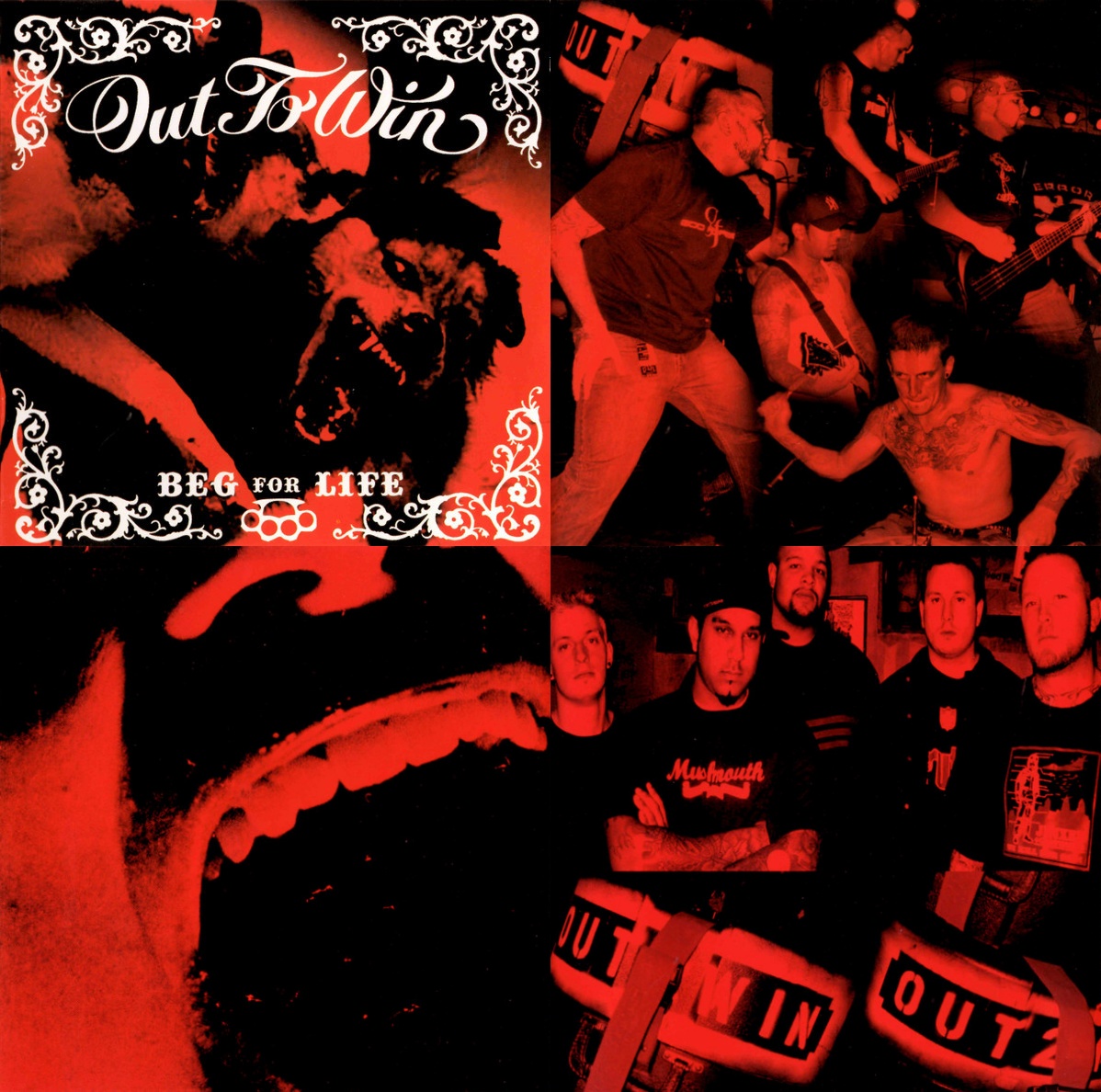
The final Out to Win/Mushmouth album was 2005's Beg for Life. Did you know it would be the last thing you did together while you were recording it? How active was the band at that point?
We weren’t really very active in 2005 or much past that. I don’t think we knew that it was gonna be our last recording, but we were definitely playing a lot less shows and a lot less consistently.
When we got out of our contract with Triple Crown, Thorp Records had asked if we wanted to put out something with them. We were unsure of what we were going to do as a band, but we had a bunch of songs written already and wanted to put them out.
We kind of assumed that with this new label that they would put more into promotion, but unfortunately, I think they ran out of money by the time we had recorded (I might be wrong?).
Why did the band break up in 2007? Were there any hard feelings between the members when it all went down?
2007 was just the year that we realize that we weren’t going to be doing what we had previously been, which was playing consistent shows and recording more.
We just kind of came to a mutual decision that it didn’t need to continue because we all just had other things going on and it did run its course at that point, at least in our minds.
Wisdom In Chains was also starting to gain some steam at that point, and two members of that band were from ours, so it made sense at that time to bow out.
Mushmouth has come back and has played shows sporadically. Do people from the other bands you've shared bills with approach you to talk about the influence your music had on them?
It’s weird to say it, but yes. When people come up to me and say they had our first record or our first demo or they saw us when they were a teenager or they listened to us when they were recording their album to get hyped up. That stuff is crazy to me. I’ve never been one of those people to take any of the stuff for granted.
I never thought that I would be able to stand in front of a crowd ever in my life much less be influential to up-and-coming bands or to be told about our influence on on bands that we’ve grown up with. It’s very humbling and really cool.
I know you're also playing in Limb From Limb, but what else are you up to these days?
Limb From Limb is all I got going on right now, musically. We have an EP out called Flesh Decay on all streaming platforms. Playing shows when we can.
Aside from that, fishing and hanging out with my family. I co-own three tattoo shops in Columbus, Ohio and just kinda live a pretty slow life.
What's your all-time favorite PAHC band?
I don’t really have an all-time favorite, but a few of my PA favorites since I started getting into the hardcore scene are Starkweather, Built Upon Frustration, Wisdom, In Chains, and Krutch.

***
Check out this Linktree to find all of Chris Henzel's tattoo shop information, and all of his musical work.
Tagged: mushmouth, out to win