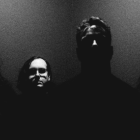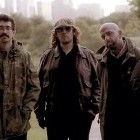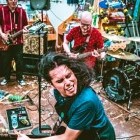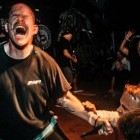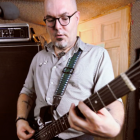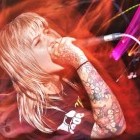
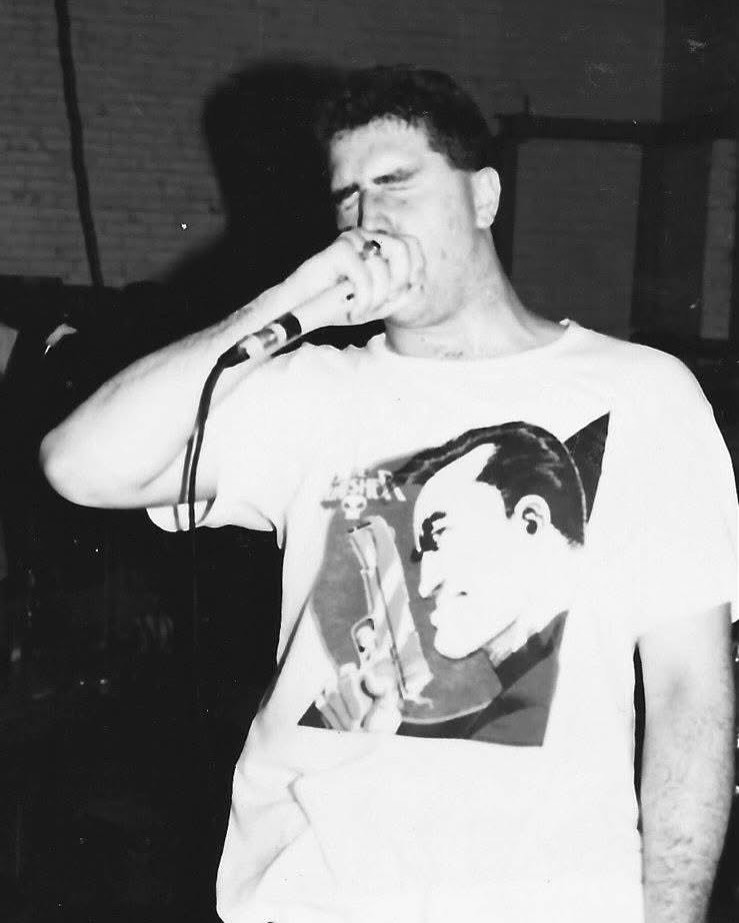
Featuring members of Maximum Penalty, Breakdown, Social Disorder, and First Order, Lament carved out a sound that stood apart from their peers in the early 1990s. Fronted by Jon Scondotto, the Brooklyn-based group released their debut Drowning Room through Inner Journey Records, capturing that era with a raw, DIY approach. Now, 35 years later, the release returns as a fully remixed and remastered collection, including previously unreleased tracks from the original sessions.
I caught up with Scondotto to talk about the band’s origins, the making of Drowning Room, and how this long-overdue reissue brings Lament’s story back into focus.
Tell me a bit about the origin story behind Lament. I remember seeing the band live once (I think Merauder were also on the bill), but beyond that, I don't know your history well.
The original lineup when I got into the band consisted of four members at the time, who were in Maximum Penalty: Joe Affe, Mark Sisto, Richie G, and Nicky V, all of whom were previously in the band Social Disorder. Mark was in Breakdown and originally in Subzero. I came in without being in any band at all.
The existing members were taking a page from Clive Barker's books, which were super popular in 1990, and we were all really into Prong at that time, who were perfectly blending thick metal guitar sounds with rhythmically hardcore-influenced parts. By the time we went to record, the lineup would be Joe, me, Eric Morgan on bass, and Jason A on drums. Eric was previously in the band First Order, and Jason had also played drums in Social Disorder.
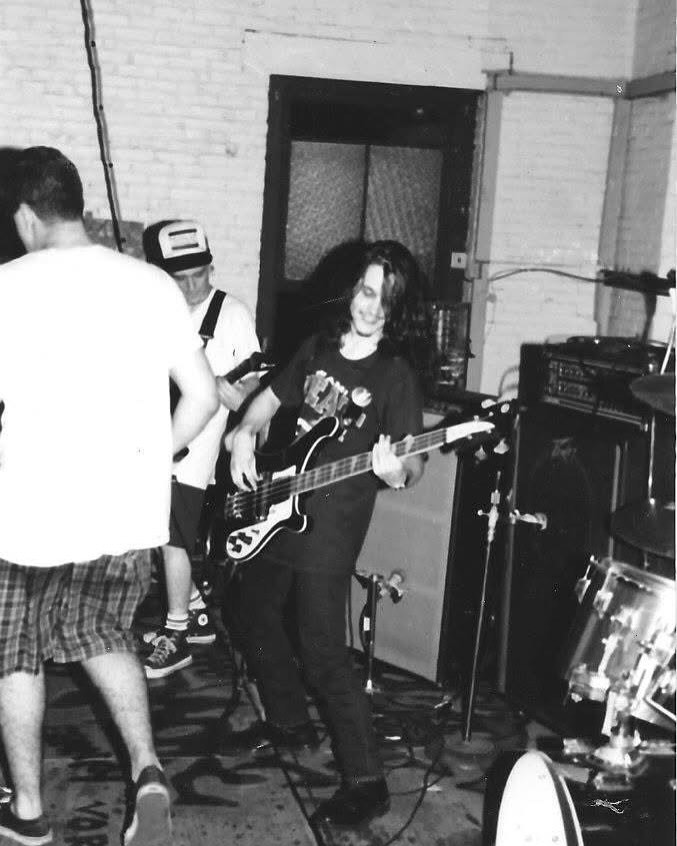
How would you describe Lament's sound on the Drowning Room EP?
Listening to it now, I think the metal influences are really upfront, but Leeway was super big at the time, and we were all paying attention to them in a very big way, not that it influenced our sound, but I felt like bands like them and Only Living Witness had comparable parts and ideas to what we were doing.
Tell me a bit about Inner Journey Records. I see that the label was based in Delaware. How did you connect?
We got on Inner Journey’s radar through our relationship with Subzero, whom I met for the first time playing with them at the Anthrax in 1990 at the [Killing Time's] Brightside record release show. They actually had a manager at the time, and we were working with them playing shows, and Inner Journey was recording them and Clutch, who I had never heard of at the time.
They offered us a 7-inch deal, which was huge at the time because very few bands were making it off a demo tape to any type of vinyl, outside of some pretty great compilations, so this was a very big deal for us.
READ MORE: A Life In Hardcore: Franklin Rhi (Crown of Thornz, 108, Shelter)
Do any memories stand out from the making of the EP? With whom and where did you track the session?
I do remember this was the equivalent of a shoestring budget. Our producer, Chris Walton, had turned his apartment in uptown Manhattan, where he lived with his mom, into a recording studio, and we recorded tracks right in the house. I have some vague recollection of just doing the vocals more often than not on one track, since it was more like a glorified eight-track recording, so I would just bang them out and not double them or anything, and we would keep it moving. Very gorilla-style, old-school, hardcore, and punk through and through. The most fun was the classic gang Style backups, which I just remember laughing a lot with everyone involved.
What can people expect from this new reissue? I see that there are extra tracks included on the back end.
I think people who were gracious enough to support the 7-inch and buy it when it came out, or who bought it many years later or traded to get it in their collection, as it is somewhat of a collector's item, will be very surprised by just how big and mean the remix and remastering come across. I feel like the tracks that we put up hold up so well 35 years later that you can drop them right in.
There have been several people who are not familiar with the band’s ethos and history who asked me where we recorded it, assuming that we had just recorded it recently or something, instead of cleaning it up and repackaging it with a cleaner and meaner sound, since all the limitations back then have more or less been lifted due to technology. Plus, we have four songs that were recorded back then but had never seen the light of day, being released for the first time ever.
What led to the breakup of Lament? Are you in contact with the other team today?
Band breakups are always never about one specific thing, usually they’re about 20 or 30 of them, so there wasn’t really one specific issue I can recall, Joe would end up obviously being in Maximum Penalty again, and for many many years to come, but we did break up maybe around the end of '91, but would get back together with a different rhythm section for a very different sound for a follow up album, Levitate, which would come out in 1994.
We would reunite with Eric many years later, and he helped remix this recording. Jason passed away a few years ago, unfortunately, and I can’t recall the last time I saw any of the previous members, outside of some social media stuff every now and again. Sometimes bands break up for very good reasons that don’t seem like good reasons until decades later. Joe and I have always been extremely close, and even after not playing together for years, we’ve pretty much maintained a very strong friendship in life that transcends anything in music, so I feel really fortunate for that. Incredible to think we’ve been on nearly a 40-year journey together.
Is there anything else you would like to share with No Echo's readers?
We are very grateful to Jeroen at Light the Fuse Records and cannot be happier with how everything worked out with the label, and with the incredible graphics done by my good friend Wayne Treptow, so to have support like this much later in life for something that you were never really sure was going to ever make it to digital, or get any type of re-release, it’s such a real privilege.
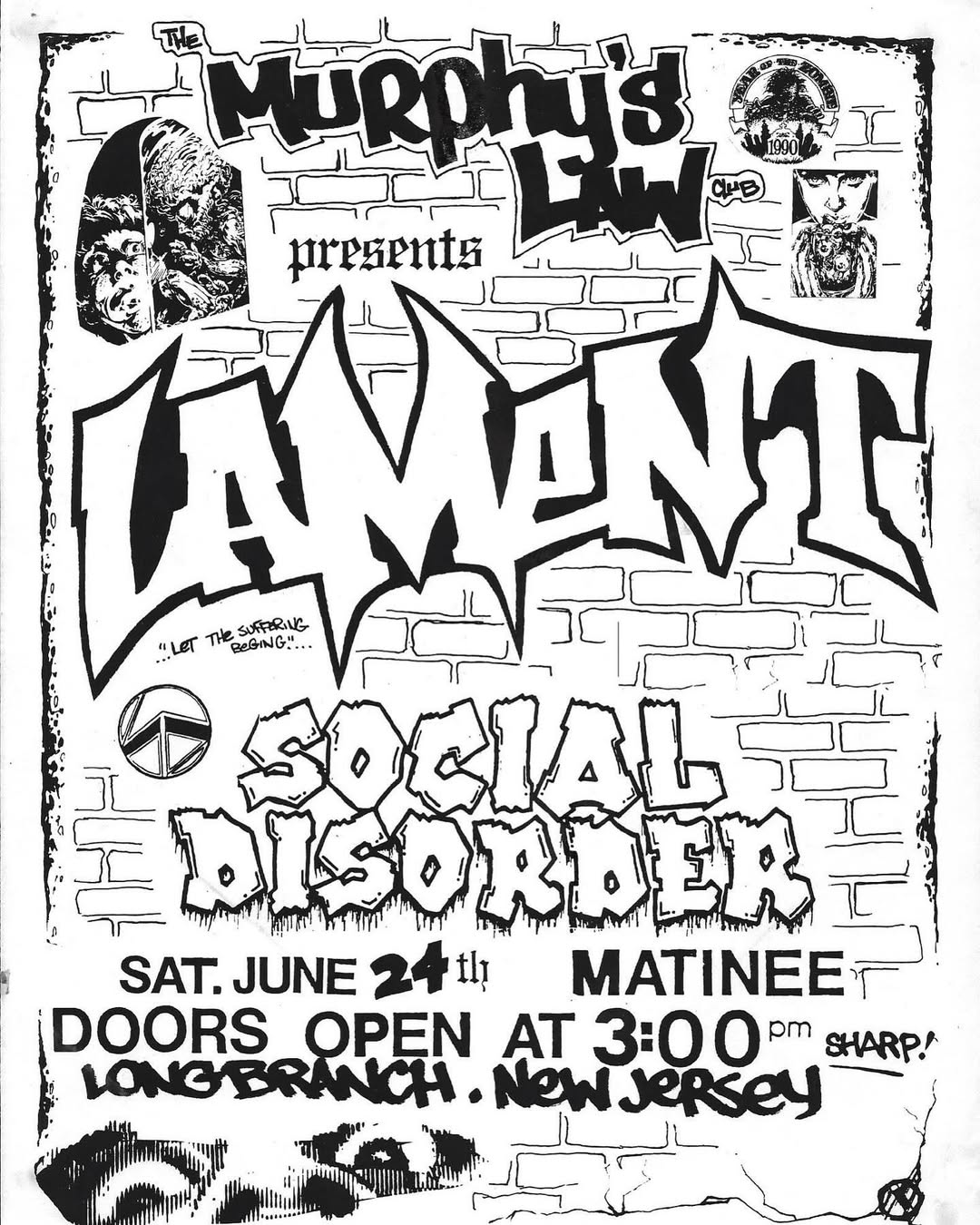
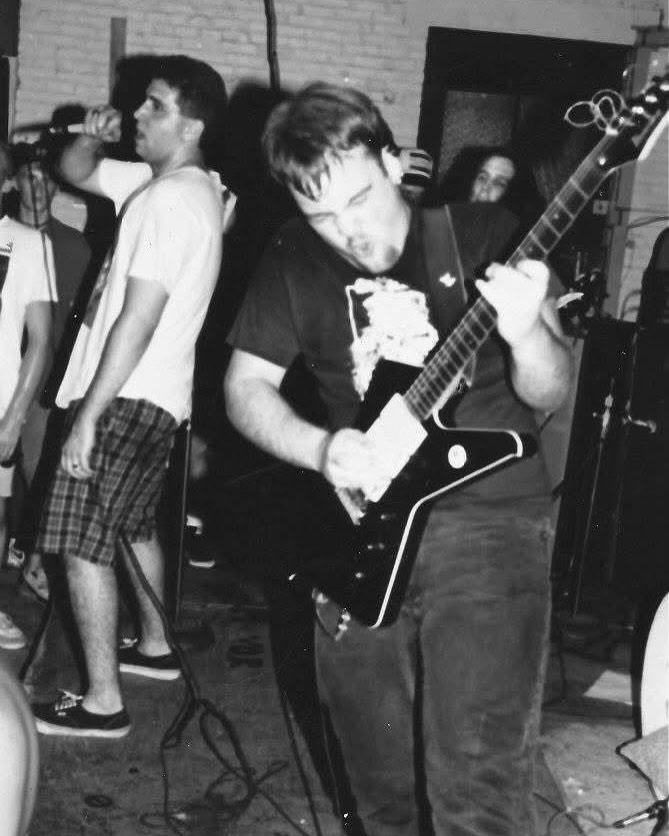
We consider it a snapshot in time, of what the hardcore scene in Brooklyn was like in a very big way in a very small area, and the layout with the flyers and photos really bring you back to a very special time in hardcore history, one that younger people are intrigued by and curious about, since it lives and breathes in still photographs and eight track demos, but had the heart and spirit to survive and come to life, bigger than before.
***
Drowning Room is available as 12-inch vinyl via Light the Fuse Records.
Lament on social media: Instagram
Tagged: lament