A psychological phenomenon known as the “Reminiscence Bump” describes an extreme nostalgia for events that occurred during our teenage years and twenties, for events both good and bad. Simply put, the most vivid memories you will ever carry are born during this period of life. From major life milestones and friendships to the formation of self-identity and your preferences for movies and music, this era of life has a way of lingering.
Ask a baby boomer what they were doing when JFK was assassinated, or a millennial when they first heard about 9/11, and watch them enter a memory zone like none other. Ever taken a recommendation from your parents or grandparents and felt like they had bad taste in music or cinema? They are likely in the midst of a “Reminiscence Bump,” and nothing or no one can convince them that The Beatles were not as revolutionary as they believe, or that The Shining was anything less than brilliant.
But what if their remembrance is right? After all, The Beatles have sold more than half a billion albums worldwide and are regarded as one of the most culturally significant musical acts of all time. And since its release in 1980, The Shining still annually attracts tens of thousands of tourists to The Stanley Hotel in the mountains of Colorado, despite being only the inspiration, not the actual filming location.
The gravitational pull of sentimental reflection cannot be understated. In 2002, I came across a musical group that would have a greater impact on me than nearly any other. This band would help shape my identity, solidify friendships, and help me find love.
Discovering the Band
Like most kids back then, I spent my time hanging out at the mall. A strategically placed flyer drew my attention in one of the stores where I would spend an excessive amount of time browsing. The cashier saw what had caught my eye and said, “They’re playing this Saturday at The Gate.” I had never heard of the band, nor did I know what or where this “Gate” was.
But I was never going to betray these facts, and replied with some variation or another of “cool.” I decided to check them out when I got home. Peer-to-peer file sharing platforms were starting to take off by then, and I searched the band’s name via the virus magnet that was Kazaa.
"Embodyment" only returned a handful of results, so I selected one with the most distinctive name and downloaded a song called “Prelude," a transgression for which the statute of limitations has almost certainly expired. After the lightning speeds of a 56k dial-up connection worked their magic, a tune emerged a mere 10 minutes later.
It would be dishonest to say I was blown away, but I sensed there was something special and decided to find out where the concert was taking place. After consulting the phone book, I found the address and called a friend who had a license and a car. The mall was within walking distance, but The Gate required wheels.
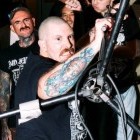
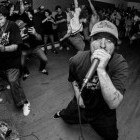
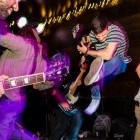
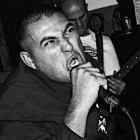
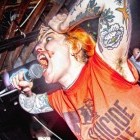
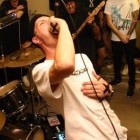
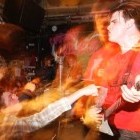
The following Saturday, we loaded into his Jetta and arrived at a venue that seemed to have less elbow room than the Volkswagen. After paying the $10 admission, hundreds of teenagers piled into what would have been a fire marshal’s nightmare, my first indication that we were in for a show. If there was an opening act, I have long since forgotten their name, but I will never forget when Embodyment took the stage. The crowd erupted into shouts and applause, revealing a familiarity that filled me with envy.

I was late to the game, apparently, since the band had already released their third album, Hold Your Breath, in 2001. The rest of the night was a sweaty mess, with the masses singing at the top of their lungs, especially for the group’s closer, “Pendulum,” yelling the chorus in unison.
For early 2000s metalcore fans, Embodyment captured an era defined by raw performances and a willingness to push musical convention. The $20 bill in my pocket bought me two CDs. I chose their debut album, Embrace the Eternal, released in 1998, and their 2000 follow-up, The Narrow Scope of Things, which featured the anthem that everyone sang at the end.
Metal to Melody
I wanted to start from the beginning, but the first album was a shock. The band I saw perform was unquestionably a hard rock act, but this sound featured blistering tempos and shredding vocals, as showcased in songs like “Golgotha,” “20 Tongues,” and “Carnival Chair." This album was death metal/metalcore. Even in the pre-Google age, I was able to decipher that the vocalist on these tracks was a guy named Kris McCaddon.
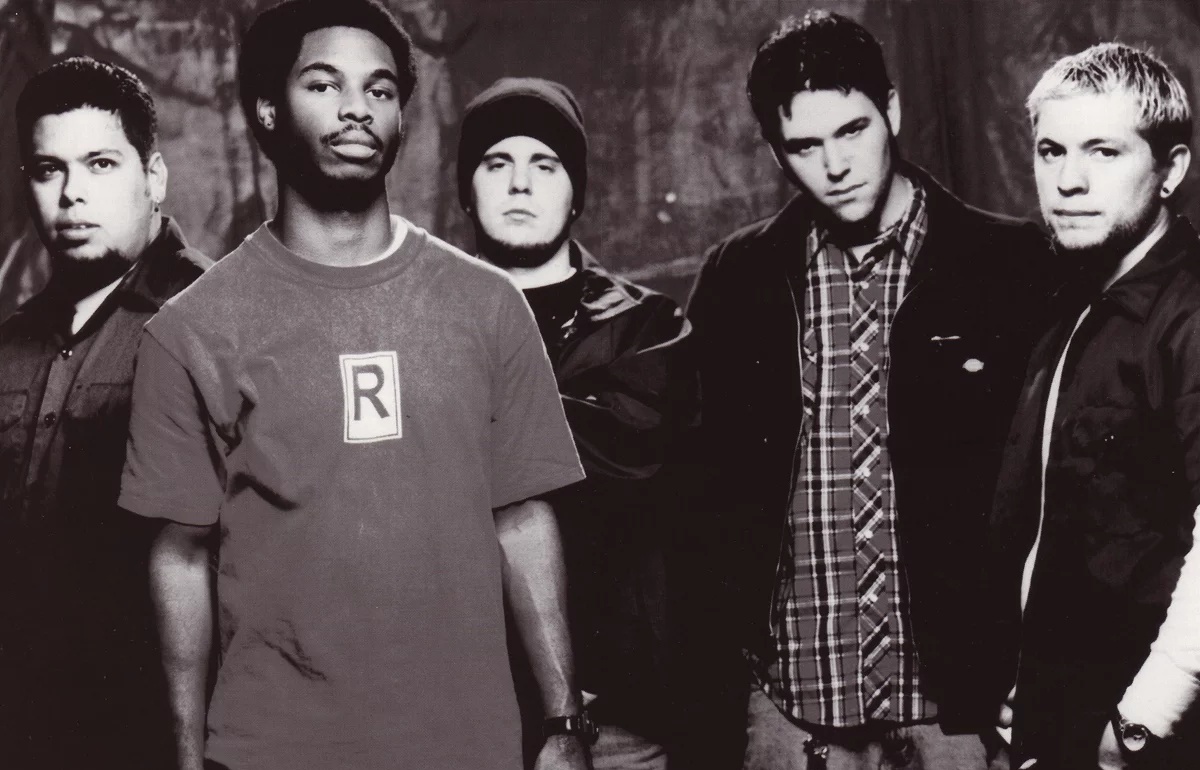
The second album was no slouch either, featuring piercing numbers like “Assembly Line Humans," “Killing the Me in Me,” and my personal favorite, “Confessions." However, it was definitely the singer I had seen, Sean Corbray. His voice was smooth, yet powerful, but more importantly, distinct.

This was back in the day when a CD sleeve contained all types of interesting information about a band, along with the lyrics to the songs and, oftentimes, artwork. Over time, I pieced together that the band was from the Dallas-Fort Worth area and was signed to Solid State Records, along with other familiar groups such as Norma Jean and Living Sacrifice.
As fate would have it, I came across the compilation album This Is Solid State: Vol. One at a flea market. Embodyment’s “Halo of Winter,” which still featured Kris McCaddon’s vocals, had to be the band’s peak form with that lineup, as evidenced by the timing switches and Kublai Khan-esque breakdowns, sounding as if they were now entering their prime.
Theirs was the standout track, followed by Blindside’s “Invert” and Zao’s “To Think of You Is to Treasure an Absent Memory." Thrifting was not yet trendy, so the compilation was a steal at $3.
In support of their fourth and final album, Songs for the Living, released in late 2002 on XS Records, Embodyment embarked on another tour with Stavesacre, allowing us to see them several times that year. Each show, I bought new merchandise, finally getting my own copy of Hold Your Breath, and being able to hear both the overt and subtle changes the band was undergoing.
The opening song, “Yours Truly,” was our runout song that basketball season, with “Belly Up” being played during warm-ups at home games. “Heaven in a Letter Bomb” reminded you that they could still thrash with the best of them, but the tonal shift and direction of the band were evident in songs like “Decade” and “Moving On,” which were closer to ballads.
One of the friends joked that it was as if Embodyment was becoming Hootie & the Blowfish right before our eyes. When they played “Don’t Go” and “It’s Alright,” that point was tough to argue, but either way, I liked it.
Maybe it was the contrarian in me, but Songs for the Living might have been my favorite. The album had soul, thanks to melodies from “Reaching Out,” “Who’s to Blame,” and a slick groove on “Segue Station."
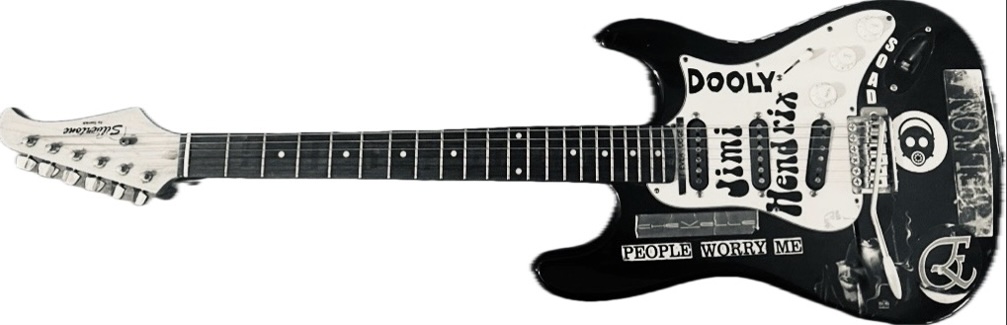
After purchasing all the albums, stickers (which still decorate my old Silvertone guitar), and buttons, the last thing I needed was an Embodyment hoodie. If I had known that my girlfriend would borrow it on weekends because she said it smelled like me, I would have bought two.
All Good Things
There was also no way of knowing that a 2003 performance would be the final time we would see Embodyment live. The members had grown increasingly unhappy, with some frustrated by their drifting from their earlier heavy sound, and others content with their alternative sound.
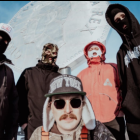
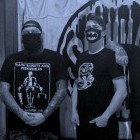
In 2004, after multiple showcases for major record labels yielded no results, Embodyment finally dissolved. In 2006, guitarist Andrew Godwin teamed up with former frontman Kris McCaddon to form a new group, The Famine, with the stated goal of recapturing the hardcore sound of their formative years.
After enduring multiple lineup changes and releasing two albums on Solid State Records, The Raven and the Reaping in 2008, and The Architects of Guilt in 2011, The Famine, too, called it quits. That same year, a surprise EP from Embodyment, titled Forgotten, was released, featuring old material from the Songs for the Living sessions that had never made the final cut.
After moving away from my hometown, I misplaced all my Embodyment CDs, except for the compilation album, leaving me to believe they were gone for good. A few years later, e-commerce took off, and all four physical copies of the albums were replaced. Streaming services were becoming more readily accessible, which made Embodyment songs available with the press of a thumb. That sinking feeling experienced when I first realized the CDs had been lost was now a thing of the past.
Visits home would inevitably take me by The Gate. Nowadays, it has been converted into an industrial building, but it still retains its original exterior appearance. If only those walls could talk.
I still keep in touch with the friends who went with me to those concerts more than 20 years ago, even if just loosely at times. That girlfriend who borrowed my hoodie? She is now my wife. If the hoodie smelled anything like our son did at the same age, it is a miracle she took it more than once.

When the “Reminiscence Bump” bumps into me, I am transported back to that uncomplicated plane of existence where music and seeing the next live show were my main worries. Embodyment helps recall that such a time existed, with every song carrying a memory that traces the path of yesterday.
On a whim, I reached out to Sean Corbray, who was always the face of Embodyment for my money, and asked for an interview for this article. He politely declined but did write me this note:
“Always good to hear about folks appreciating the songs. That was a great time and [I am] happy we all were able to experience it.”
The feeling is mutual, Sean.
***
Tagged: embodyment