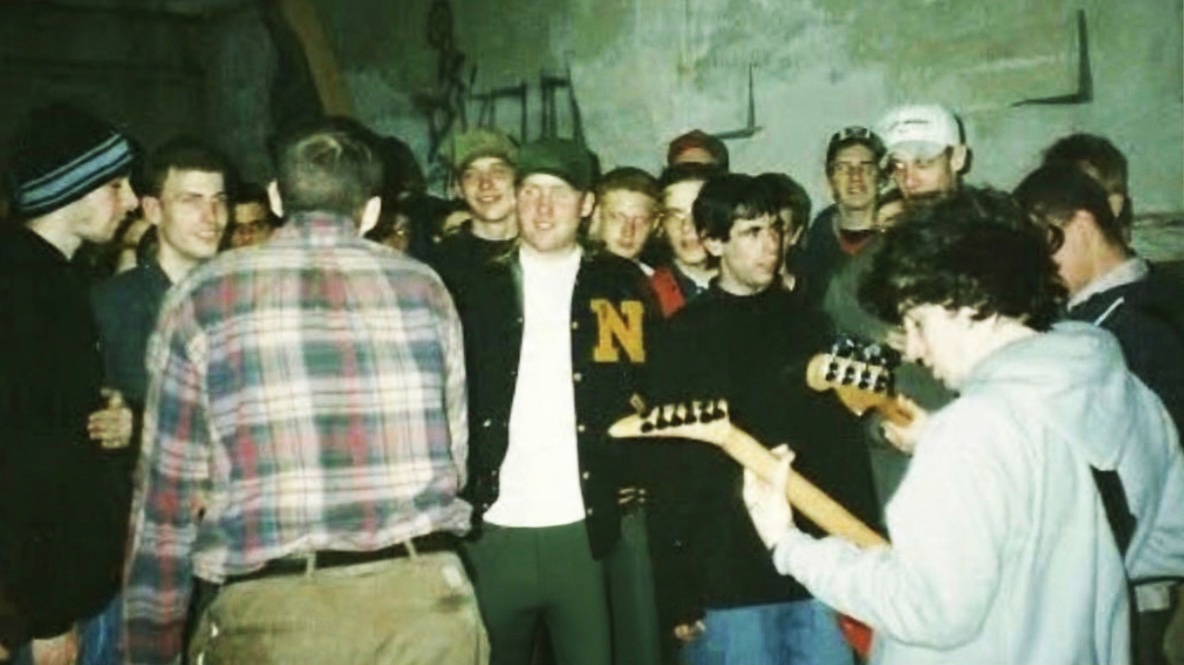
For decades, we’ve documented hardcore shows—shooting photos for fanzines, contributing to books, and helping shape the records, blogs, and websites people still reference today. We’ve laid out the records we obsessed over, created fonts that helped launch bands, and quietly supported the scene in countless ways.
For me, this has always been a labor of love—a genuine passion spanning more than 30 years, which still feels wild to say out loud. My peers and I have contributed to the look, feel, and sometimes the sound of hardcore for decades. We’ve poured enormous amounts of time, energy, and money into this because we wanted to. That meant laying out records in our spare time, tracking down information about shows we may or may not have attended, and helping preserve a fuller picture of a scene we cared deeply about.
What we are not, however, is a concierge service for labels, bands, websites, or fanzines.
When you reach out asking for something you “need,” there’s a difference between asking and assuming. It’s frustrating to hear from someone you’ve never spoken to, requesting photos from 30 years ago and expecting a quick turnaround. Digging through archives—photos, ephemera, old files—takes real time. Being contacted across multiple platforms with urgency, even when framed as “no pressure,” misses that reality.
Everyone’s project matters to them, but that doesn’t automatically make it ours.
We have families, jobs, and commitments. What we no longer have is unlimited time or disposable income. Many of us have been contributing to this scene for decades with little to no compensation—sometimes receiving a record or book only after asking.
To be clear: we’re not doing this for the money. We’re doing it because we care. But respect—and, when appropriate, compensation—should be the baseline.
If we’re giving access to our time, archives, and resources to help promote a band or sell merch, it’s reasonable to expect something in return. That doesn’t feel like a big ask.
I can only speak for myself, but I’m tired of being treated as a default resource. Boundaries matter. Thanks for listening. And thanks to Carlos for always giving us a platform.
Tagged: op-ed